

How Do I Know If I Have Gynecomastia?
November 6, 2025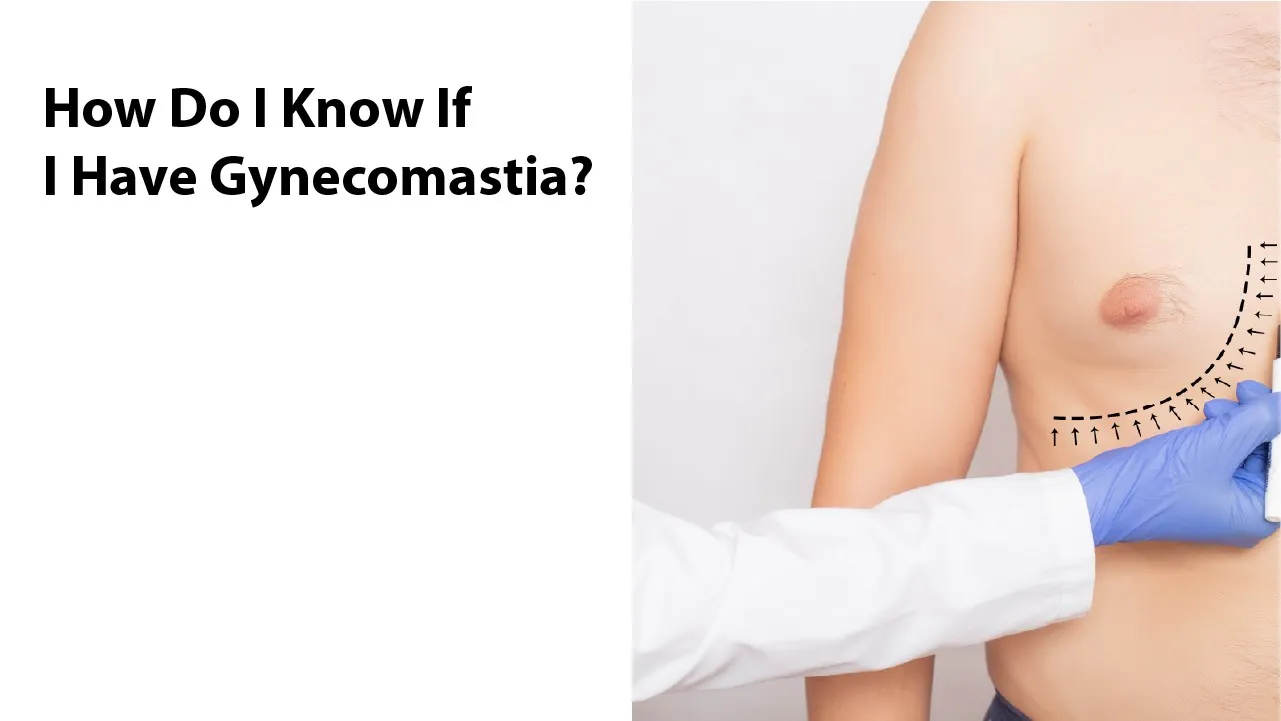
Did you ever stare at yourself in the mirror, wondering why your chest looks different from how it used to? Well, this could be a sign of gynecomastia. Over 50% of males experience gynecomastia at some point in their lives, making it one of the most common ignored conditions affecting men.
Therefore, you must know the specific signs to confirm that you actually have gynecomastia rather than just chest fat or muscle changes. Keep on scrolling to find out the common gynecomastia symptoms to seek appropriate care at the right time!
What is Gynecomastia?
Gynecosmastia, or gyno, is the enlargement of male breast tissue, which happens mainly due to hormone imbalance, either too much estrogen or too little testosterone. It can affect one or both sides of your chest. While it often affects men at the age of puberty, it can happen at any age. In fact, the condition may first present in the infant due to excessive levels of estrogen from the mother. This type of gynecomastia often settles down by itself within three or four months after birth.
About 4-69% of teen males develop gynecomastia. For adult men, the numbers are even more staggering, roughly 65% between the ages of 27 and 92 years experienced some degree of gynecomastia.
What are the Causes of Gynecomastia?
As mentioned before, an imbalance in the hormones estrogen and testosterone is one of the primary male breast enlargement causes. But do you know what the reason is behind this hormonal imbalance? Let us take a look at some factors:
Medications
Certain medications can cause gynecomastia as a side effect. It includes anti-androgens, anabolic steroids, antibiotics, and drugs to treat heart conditions or depression. For instance, if you are taking spironolactone for hair loss, then you might develop gyno as a side effect. The medication blocks the effects of drugs, which leads to hormonal imbalance and results in the growth of breast tissue.
Health Conditions
If you have certain underlying health conditions like thyroid diseases, liver or kidney disorders, or even tumours, they can cause gynecomastia. For example, men with hypogonadism, a condition where the testes produce limited testosterone, may develop gynecomastia.
Substance Abuse
The use of illicit drugs, alcohol, or marijuana can affect your hormone levels and lead to gynecomastia. For instance, if you are taking anabolic steroids to improve your athletic performance, then your body will convert excess testosterone into estrogen, resulting in gynecomastia.
Genetics
Genetics, within some families, can also cause gynecomastia in some men. Some men may have a genetic predisposition to the condition due to an inherited hormone receptor abnormality. It can cause breast tissue growth in response to normal levels of hormones.
How to Tell If You Have Gynecomastia?
If you are unsure whether you have gynecomastia, you can do the pinch test at home to diagnose the condition. The gynecomastia diagnosis test involves lightly palpating the area surrounding and beneath the nipple. But always keep in mind that a medical professional can officially diagnose the condition, but this test can give you an initial idea.
Prepare Yourself
Stand in front of the mirror without a shirt on and in good light. Use your thumb and forefinger to gently pinch the nipple, and begin to lightly feel your way around the entire areola.
Feel the Tissue
Place your fingers on the chest region and feel the area around your nipple. If the tissue feels firm or rubber-like, it could be one of the signs of gynecomastia in men. Most likely, you will find the firm lump below the nipple.
Check for Tenderness
Gently press around your nipple area. If you feel any pain, tenderness, or discomfort, it could be gynecomastia. Many men with the condition also experience mild sensitivity around the chest region.
Examine the Nipple Region
If your nipples become more noticeable, it could be due to gynecomastia. Your nipples may become more sensitive than usual, pointing to the development of gyno. In rare cases, men might experience itchiness around the nipples. Some even face secretion of bloody discharge or fluid from the nipple.
Look for Both Sides
Gynecomastia often affects both sides of the chest. But if you find asymmetrical growth, where one side of your chest appears more developed or puffy than the other, then it is due to gynecomastia.
Also Read: Debunking myths about Gynecomastia
How Do I Know If It's Just Fat or Gynecomastia?
Both pseudogynecomastia and gynecomastia cause a similar appearance of a puffy, enlarged chest. However, they occur due to different reasons. Pseudogynecomastia occurs due to the excess buildup of fat. On the flip side, gynecomastia is the enlargement of male breast tissue (glandular with or without chest fat). Here’s a quick comparison of both conditions so that you can know whether it's just chest fat or a concerning condition.
| Factors | Gynecomastia | Pseudogynecomastia |
|---|---|---|
| Appearance | A disc of firm tissue centered around the nipple and areola. Due to the lump, the breast may appear firm. |
Fat around the area under the nipple. The breast appears soft and squishy due to the fat. |
| Symptoms | Pain, soreness, tenderness to the touch, and sensitive nipples. | No discomfort or pain. |
| Types | True gyno: Only enlargement of glandular tissues. Mixed gyno: Enlargement of both fat and glandular tissues. |
None |
| Treatment | Medication, counselling, and gynecomastia surgery. | Exercise and weight management (Liposuction recommended in severe cases). |
Is Gynecomastia A Serious Medical Condition?
No, Gynecomastia itself is not a serious medical condition. But it can be a symptom of life-threatening conditions like testicular cancer. Nonetheless, the condition can be emotionally distressing for men, especially teens, who may feel embarrassed or self-conscious about their appearance. In such cases, you need to seek psychological support through counseling to cope and discuss any concerns.
Can Gynecomastia Go Away on Its Own?
If you develop gynecomastia during puberty, it may go away on its own within two years, once your hormonal levels are balanced out. But if it's been more than two years and you become an adult, then it's less likely to resolve on its own without proper treatment options for gynecomastia. Also, keep in mind that weight loss might reduce your overall chest fat. But it will not resolve the enlargement of the glandular tissue.
Get the Right Advice for Gynecomastia to Clear Your Doubts!
Gynecomastia can be frustrating, confusing, and even isolating. Like most men, you don't want to discuss chest changes with anyone - not friends, family, or even doctors initially. But if not addressed, you are likely to suffer from low self-esteem. Being aware of the gynecomastia symptoms will help you know the right time to seek professional opinion. In most cases, the condition resolves on its own.
Still unsure whether it's fat or gynecomastia? Don’t let self-doubt hold you back. Book your appointment with Apollo Spectra for proper diagnosis and treatment.
Recent Blogs



Get Expert Health Advice
Related Blogs

NOTICE BOARD
CONTACT US
FOR PARTNERSHIP
CONTACT US
FOR PARTNERSHIP
.svg)
.svg)
.svg)
.svg)


 Book Appointment


Need Help?
Request a Callback
Have questions about your treatment or consultation? Our experts are here to help.