

How Does Bariatric Surgery Treat Diabetes?
December 30, 2025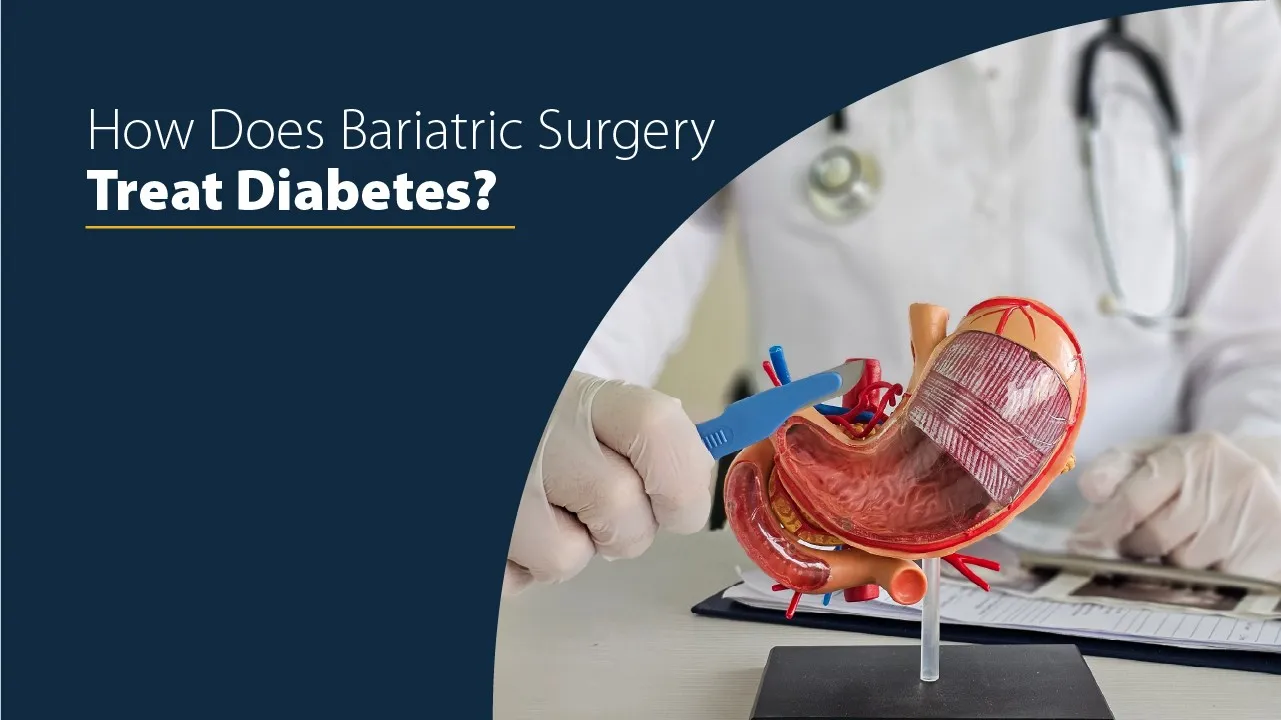
Bariatric surgery or metabolic surgery for diabetes is rapidly gaining popularity as more than just a viable fat loss method among the obese. Diabetes is becoming prevalent among India's urban population, where obesity contributes tremendously to the aggravation of type 2 diabetes. The number of diabetics in India is expected to rise to 124.9 million by the year 2045.
After surgery, blood sugar control improves because the procedure changes how the gut and hormones handle food, reduces calorie intake, and leads to weight loss. Most patients experience a significant improvement in blood sugar control after bariatric procedures, and some achieve partial or complete remission of type 2 diabetes. This blog discusses the significance of bariatric surgery in diabetes treatment, its mechanisms, patient selection, potential risks and long-term effects.
What Is Bariatric Surgery and Its Types?
During bariatric surgery, surgeons perform procedures such as adjustable gastric banding, sleeve gastrectomy, Roux-en-Y gastric bypass or RYGB (the most common method), and biliopancreatic diversion to sustain weight loss. The surgeon aims to achieve type 2 diabetes remission after bariatric surgery, alongside improvements in hypertension, sleep apnea, and quality of life.
The three major types of surgery differ in their workings and results in the following manner:
- Gastric Bypass
This is performed to make a small stomach pouch that is directly connected to the small intestine, thus omitting the duodenum (the first section of the small intestine). Besides limiting food and nutrient absorption, the procedure also affects hormones that help regulate glucose and diabetes remission.
- Sleeve Gastrectomy
The operation removes about 80% of the stomach and leaves a tube-shaped stomach. The reduction of food intake as well as the release of the hunger hormone changes, which results in the stabilisation of blood sugar, weight loss, and a feeling of satiety.
- Gastric Band
An adjustable gastric band is placed around the upper part of the stomach to create a small pouch. It restricts how much food can be eaten at one time, but it generally produces less weight loss and lower diabetes remission rates compared with other bariatric procedures over the long term.
How Does Bariatric Surgery Cure Diabetes?
Bariatric surgery improves diabetes by changing how the stomach and intestines move food. The procedure shifts gut hormones, lowers insulin resistance and supports long-term weight loss. These effects often improve blood sugar even before major weight loss starts. Here are the details:
- The Food Pathway Changes: Gastric bypass creates a small stomach pouch and connects it to the jejunum. This bypasses the duodenum and upper jejunum and produces strong metabolic effects.
- Incretin Hormone Levels Rise (GLP-1, GIP): Faster delivery of food to the lower intestine raises GLP-1 and gut hormone effects. These hormones support insulin release, improve beta-cell activity and stabilize blood sugar.
- Blood Sugar Improves Early: Many patients show better glucose levels within days because of hormonal shifts, not due to weight loss.
- Insulin Sensitivity Improves: The body responds to insulin more effectively. Fasting and post-meal glucose levels reduce noticeably.
- Liver Fat Reduces Quickly: A rapid drop in liver fat improves hepatic insulin resistance and strengthens early blood sugar control.
- Bile Acid Flow Shifts: The new intestinal route alters bile acid movement. This activates FXR and TGR5 receptors and supports better glucose control.
- The Gut Microbiome Resets: Healthier intestinal bacteria reduce inflammation and support stronger insulin sensitivity.
- Appetite reduces, and Satiety Improves: GLP-1 rises and ghrelin drops. Hunger reduces, and fullness improves, which helps stabilise blood sugar.
- Sustained Weight Loss Strengthens Diabetes Control: Lower body weight reduces inflammation and the core drivers of type 2 diabetes.
- Dependence on Diabetes Medicines Reduces: Most patients require fewer diabetes medicines. Some achieve partial or complete remission, although remission may not remain permanent.
Also Read: Benefits of Bariatric Surgery
What are the Short and Long-term Effects of Surgery?
Metabolic surgery for diabetes changes the condition of its management in a very drastic manner. They bring such favorable effects to the lives of people suffering from Type 2 Diabetes, which can be seen from the table below, in the following ways:
| Short-Term Effects | Long-Term Effects |
|---|---|
| Quick improvement in blood glucose levels | Sustained remission of Type 2 diabetes |
| Significant drop in Hemoglobin A1c (HbA1c) shortly after surgery | Over 50% of patients maintain long-term remission |
| Reduced or discontinued diabetes medications | Reduced microvascular & macrovascular complications |
| Improved insulin resistance due to changes in gut hormones | Lower mortality rates compared to conventional treatment |
Hormonal Changes After Weight Loss Surgery
Weight loss surgery sets off a series of hormonal shifts that help the body handle food, hunger and blood sugar in a healthier way. These changes often explain why many patients feel better and notice improved glucose control even before major weight loss starts.
| Hormone Change | What Actually Happens | How It Helps You |
|---|---|---|
| GLP-1 rises | The intestine releases more GLP-1 after meals. | Blood sugar stabilises, and insulin works more effectively. |
| Ghrelin falls | The stomach produces less of the hunger hormone. | Appetite reduces, and cravings feel easier to manage. |
| Peptide YY increases | The gut releases more PYY after eating. | You feel full sooner and stay full longer. |
| Bile acid signals reset | Bile acids follow a new route after surgery. | Metabolism improves, and glucose control strengthens. |
| Insulin sensitivity improves | Cells respond better to your own insulin. | Fasting and post-meal glucose levels drop noticeably. |
What are the Surgical Risks and Complications?
Surgical interventions involving major procedures like bariatric surgery inherently carry the following risks:
- Anaesthesia: Mild to life-threatening reactions
- Bleeding/ Infection: Immediate serious risks
- Long-Term Risks: Hernias/bowel obstructions
What is Long-term Post-Surgery Diet and Health
Patients follow strict dietary guidelines post-bariatric surgery to prevent deficiencies and sustain weight loss due to factors explained below:
- Deficiencies: Anaemia, osteoporosis risk
- Food tolerance: Permanent changes
- Psychosocial: Social/mental impacts
Bariatric Surgery for Diabetes Success!
Bariatric surgery for diabetes is an effective treatment option to fight against type 2 diabetes. The procedure alters the body's insulin utilisation through hormonal changes after weight loss surgery. It helps to regulate blood glucose levels, decreases insulin resistance, and a large number of patients get type 2 diabetes remission after bariatric surgery. Talk to a bariatric surgeon at Apollo Spectra if you want to improve your metabolic health or get better control of your diabetes. We will give you a thorough evaluation and personalised help.
Recent Blogs



Get Expert Health Advice
Related Blogs

NOTICE BOARD
CONTACT US
FOR PARTNERSHIP
CONTACT US
FOR PARTNERSHIP
.svg)
.svg)
.svg)
.svg)


 Book Appointment


Need Help?
Request a Callback
Have questions about your treatment or consultation? Our experts are here to help.