

Knee Ligament Injury Recovery Period
December 26, 2025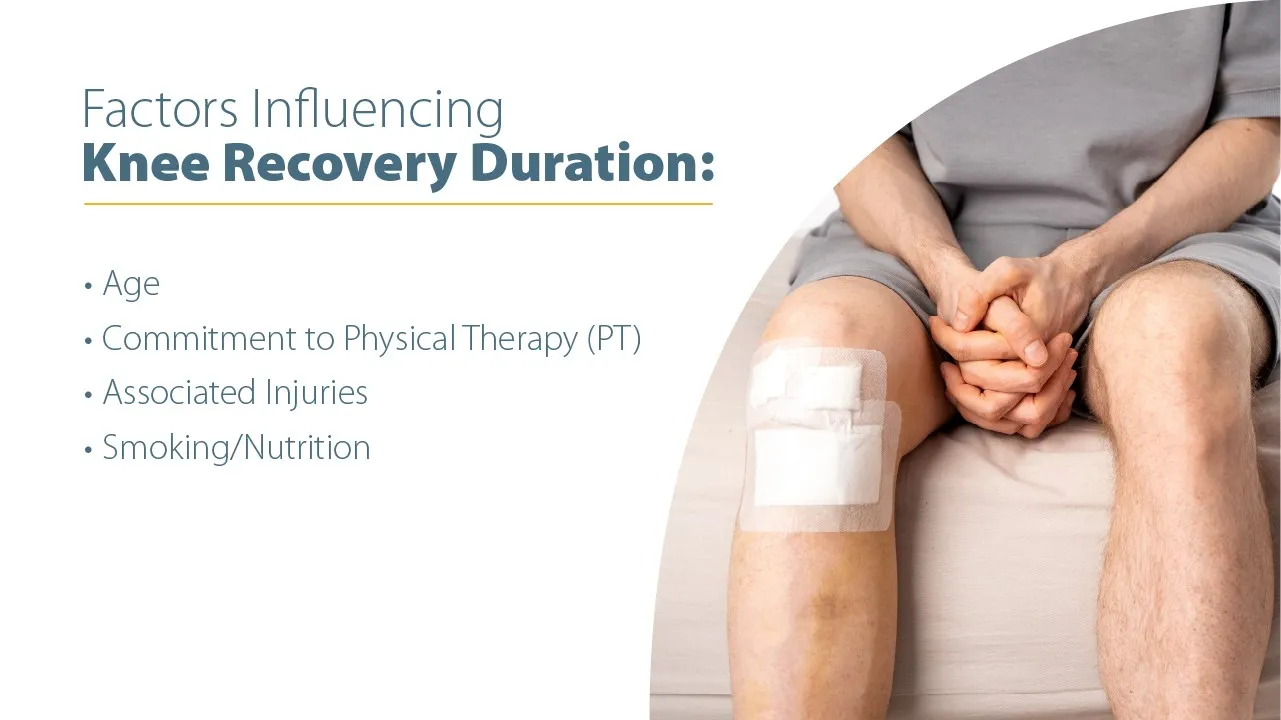
Jumping, twisting, and sudden stops are common actions in daily life and sports, but they place immense strain on the knee. When the protective ligaments within the knee are stretched or torn, the resulting instability and pain can bring your life to a standstill. Many people feel lost and wonder: How long will this last? The knee ligament healing time is the most critical question for an active person. Minor sprains heal fast, but severe tears demand months of intense rehabilitation. Knowing your injury's severity is the crucial first step toward recovery. This guide covers typical recovery timelines and provides actionable steps to accelerate your return to full activity.
What is a Knee Ligament Injury?
The knee joint is held together and stabilised by four strong bands of tissue called ligaments. When excessive force is applied, such as a sudden change in direction or a direct blow, these ligaments can stretch beyond their capacity, which can result in a sprain or even a tear. This level of damage can cause a knee ligament injury. As the stability of the joint is immediately compromised, the individual sustaining the injury experiences pain in movement and, at times, even feels impossible to move.
Typical Causes and Severity of Knee Ligament Injury
Sudden twists, falls, or direct impacts cause most ligament injuries. A blow to the outside of the knee often injures the MCL. The ACL is torn during sudden deceleration or pivoting manoeuvres common in basketball and soccer.
Severity is assessed using a grading system:
| Grade | Description | Damage Level | Stability |
|---|---|---|---|
| Grade I | Mild sprain | The ligament is stretched, but intact. | Stable |
| Grade II | Moderate tear | The ligament is partially torn. | Mildly unstable |
| Grade III | Severe tear | The ligament is completely torn (ruptured). | Unstable |
Which Knee Ligament Injuries Are Most Common?
Identifying the torn ligament is the initial step in assessing your recovery timeline, as various ligaments have distinct healing capabilities. Here are the common types of knee ligament injuries:
Anterior Cruciate Ligament (ACL)
This ligament is among the most commonly injured, particularly in sports such as soccer, basketball, and skiing. The ACL provides primary knee stability, and its rupture, commonly seen in athletes, mandates a precise, prolonged surgical recovery plan.
Medial Collateral Ligament (MCL)
MCL injuries are very common and result from a direct force applied to the outside of the knee joint. The MCL typically responds very well to bracing and physical therapy due to its favourable vascular supply.
Posterior Cruciate Ligament (PCL)
This ligament sustains injuries less frequently than the ACL and MCL. It typically occurs as a result of a direct impact to the anterior aspect of the knee, such as striking the dashboard during a vehicular collision.
Lateral Collateral Ligament (LCL)
Like the MCL, the LCL is generally injured by a strike to the medial side of the knee, resulting in the joint buckling outward. LCL tears are comparatively rare.
Also Read: Total Knee Replacement Surgery benefits
How Long Does It Take for Knee Ligaments to Heal?
The knee ligament healing time varies widely based on the specific ligament and the injury's grade. The table shows different injuries and knee sprain recovery timelines:
| Ligament | Grade I (Mild Sprain) | Grade III (Complete Tear) | Recovery Method (Non-Surgical) | Recovery Method (Surgical) |
|---|---|---|---|---|
| MCL | 2–4 weeks | 6–12 weeks | Good blood supply allows healing. | Rarely needed. |
| LCL | 4–6 weeks | 8–12 weeks | Generally heals well with bracing. | Often required if combined with other injuries. |
| ACL | N/A (Often unstable even if partial) | 6–12+ months | Not recommended for active individuals due to instability. | Standard treatment (Reconstruction). |
| PCL | 4–8 weeks | 3–6 months | Often heals well without surgery. | Reserved for severe, high-grade instability. |
Note: The ACL rarely heals itself due to poor blood flow and joint movement. Even partial tears often need intensive physical therapy and immobilisation.
What are the Factors Influencing Recovery Duration?
The time frame for ligament tissue repair varies significantly among patients. These are the factors influencing your recovery duration:
- Age and Overall Health: Patients who are younger and in better health generally experience more rapid healing.
- Commitment to Physical Therapy (PT): Adherence to post-injury knee rehabilitation exercises is the most critical factor. Neglecting physical therapy significantly hampers the recovery process.
- Associated Injuries: If the injury includes meniscus tears, cartilage damage, or other ligament injuries (referred to as a "terrible triad"), the rehabilitation period is notably extended.
- Smoking/Nutrition: Smoking negatively affects blood circulation, thereby directly hindering tissue healing. Conversely, a diet rich in protein, vitamins, and minerals actively supports robust tissue regeneration.
Tips to Accelerate a Safer Recovery from Knee Ligament Injury
You cannot truly accelerate healing, but you can make recovery safer and highly effective. However, you can definitely make the process safer and more effective by following faster knee recovery tips diligently.
Here are the key recovery strategies:
Follow the R.I.C.E. Protocol
The primary emphasis is on the RICE principle (Rest, Ice, Compression, Elevation) immediately after injury. Take proper rest to prevent further damage. Use Ice to minimise swelling and pain. Apply compression with a bandage for support, and elevate the leg above the heart level. This controls the initial inflammatory phase. Less swelling means less pain and faster access to effective rehabilitation.
Do ROM Exercises Right Away
Start active and passive range of motion (ROM) exercises as your doctor advises. Early movement fights stiffness and aids blood flow, keeping the ligament flexible while it heals.
Strictly Follow Physical Therapy
PT is the backbone of your recovery. Attend every session and never skip home exercises. Regular exercise builds stability and strength in the knee joint.
Strengthen Hips and Core
Do not limit exercise to the knee area. A strong core and strong hips reduce rotational stress. This protects the healing ligament from twisting forces.
Eat for Recovery
Your diet must support tissue repair. Consume lean protein to rebuild muscles. Vitamins and minerals are essential for forming new collagen and completing the healing process.
Engage in Controlled, Early Motion
Perform gentle range-of-motion exercises as instructed by your PT. Early, controlled movement prevents the knee from becoming stiff, which is a major barrier to full recovery.
Meet Functional Goals Before Return
Avoid rushing back to high-risk activities. You must achieve specific strength, balance, and agility metrics before being cleared for sport. Rushing guarantees a high risk of re-injury.
Stay Hydrated
Water is vital for transporting nutrients to the injured site and maintaining the elasticity of tissues. Drink plenty of water throughout the day to support cellular repair.
When Can You Expect to Get Back to Normal Activities?
Returning to normal means different things for different people. For some, it's walking pain-free; for others, it's sprinting. Let’s take a look at what people should expect:
- Daily Living: Most people can resume walking and daily self-care within days to a few weeks, even after minor surgery.
- Job (Sedentary): You can often return to a desk job within a week.
- Light Recreational Activities: Engage in activities like cycling and swimming. Usually safe around 2–3 months post-injury or post-surgery, with PT approval.
- High-Impact/Pivot Sports: This is the longest phase. For ACL reconstruction, clearance for sports is rarely given before 9 to 12 months to allow the graft to mature and strengthen fully.
Get Expert Advice to Recover Safely from a Knee Ligament Injury!
A ligament injury brings activity to a halt. This leaves you worried about the unpredictable knee ligament healing time and joint stability. The return to full strength takes a long time. Healing time varies significantly based on the specific ligament injured. Therefore, a successful recovery demands committed post-injury rehabilitation.
For the right support, visit Apollo Spectra. Our orthopaedic specialists and physiotherapists will evaluate your injury and recommend the most suitable knee ligament tear treatment. They will also create a step-by-step knee recovery timeline to help you return safely to your active routine.
Recent Blogs

Get Expert Health Advice
Related Blogs

NOTICE BOARD
CONTACT US
FOR PARTNERSHIP
CONTACT US
FOR PARTNERSHIP
.svg)
.svg)
.svg)
.svg)


 Book Appointment


Need Help?
Request a Callback
Have questions about your treatment or consultation? Our experts are here to help.