

What is Postnasal Drip?
January 21, 2026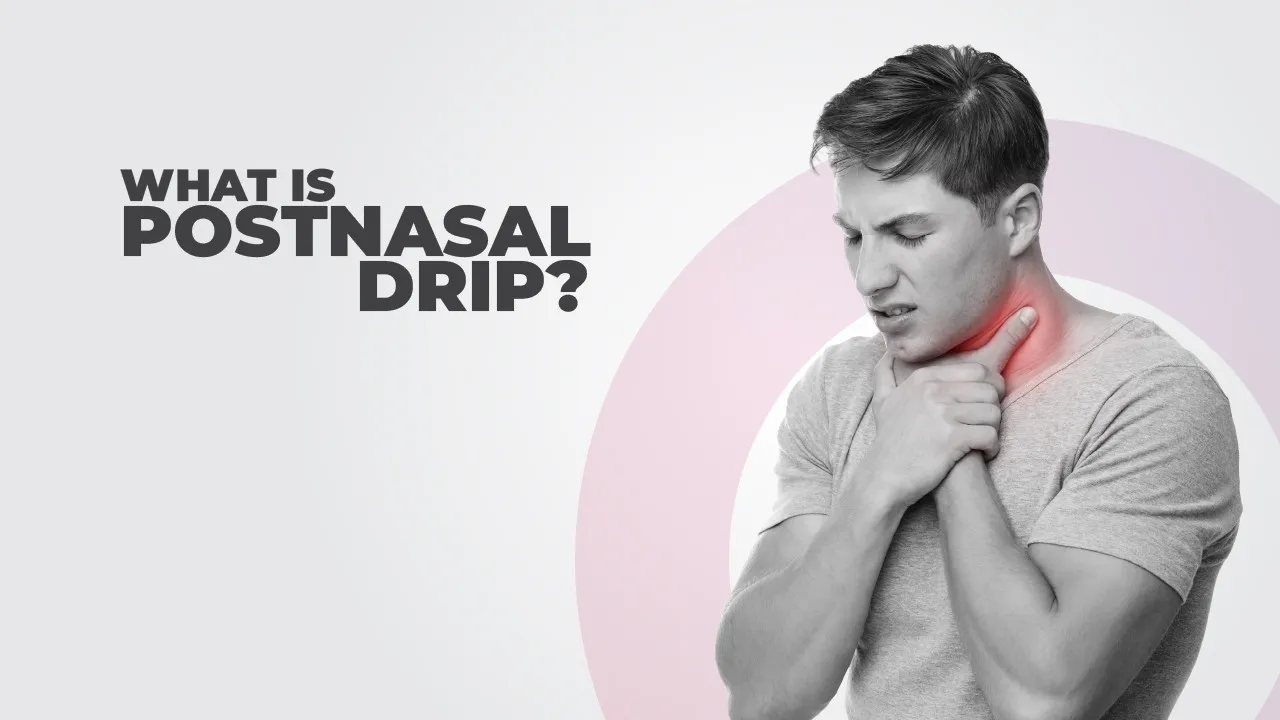
Postnasal drip occurs due to the presence of excess mucus that drips down at the back of your throat. As a result, you experience discomfort that might interfere with your daily activities and even your sleep. Postnasal drip also triggers throat irritation, which is mostly accompanied by coughing. In fact, studies have shown that 15% of Indian patients experience paranasal sinus problems, with postnasal drip being one of the most dominant symptoms.
This guide will walk you through the mechanisms behind postnasal drip. You will understand the causes, postnasal drip symptoms and learn about effective treatment options.
What Are the Common Postnasal Drip Symptoms?
The primary symptom is the sensation of mucus draining down your throat. You can also experience the tickling sensation and lump at the back of your throat. Some additional symptoms might appear as a combination of the following:
- Sore throat due to irritation from time to time
- A cough that is persistent, especially at night
- Hoarseness or change in voice
- Halitosis or bad breath occurs even in the presence of good oral hygiene
- Frequent swallowing and chronic throat clearing
- Nausea, sometimes, due to the excessive mucus that might ooze into your stomach
- Ear infections may develop if mucus blocks your Eustachian tubes
What Are the Main Causes of Postnasal Drip?
Several conditions can trigger postnasal drip. With the timely identification of the cause, your doctor will be able to create the right treatment plan for you. The most common causes of postnasal drip are as follows:
Allergies
Allergic postnasal drip is one of the most frequent causes. Your immune system reacts to allergens like pollen, dust mites or pet dander. This reaction triggers increased mucus production. The produced mucus gets thinner and clear in nature. It is often accompanied by symptoms such as sneezing, itchy eyes, and congestion.
Sinus Infections
Postnasal drip due to sinus infection can also occur. Bacterial or viral infections cause inflammation in your sinuses. The infection leads to thick, coloured mucus that drains down your throat. You may notice yellow or green discharge. Sinus infections are also characterised by pain in the facial areas. Some patients even experience fever.
Common Cold and Flu
Viral infections temporarily increase mucus production. The mucus helps your body trap and eliminate the virus. You will notice more mucus dripping in throat during the acute phase of illness. This type of postnasal drip usually resolves as you recover from the infection.
Deviated Septum
A crooked wall of cartilage between your nostrils can also affect the mucus drainage. This is because one nasal passage becomes smaller than the other. The structural problem prevents mucus from flowing properly. The mucus accumulates and drips down the back of your throat instead of draining through your nose.
Gastroesophageal Reflux Disease
Stomach acid can travel back up into your throat and irritate the tissues. This condition is called GERD or acid reflux. The irritation mimics the sensation of postnasal drip. You may experience a burning sensation in your chest or throat. The symptoms will worsen when lying down or consuming large meals.
Environmental Factors
Dry air, low temperatures, or drastic changes in the weather may stimulate the production of excess mucus. Smoke, perfume, or chemical smells irritate your nostrils. Spicy foods are another possible stimulator of the production of excess mucus.
Medications
Certain medicines affect mucus consistency and production. Birth control pills and blood pressure medications may cause postnasal drip as a side effect. The condition develops gradually after you start taking these medicines.
Pregnancy
Hormonal variations associated with pregnancy can enhance the secretion of mucus from the nose. Pregnant females can experience postnasal drip even if they do not have any associated sinonasal infections. The condition clears up post-delivery.
Age Related Changes
The mucus producing glands in your nose and throat change as you age. Older adults may notice increased postnasal drip even without other medical conditions. The mucus can become thicker and harder to clear naturally.
Also Read: Tonsils: Causes and Treatments
How Is Postnasal Drip Diagnosed?
Your physician will start by asking about how long you have suffered from the symptoms, as well as any factors you have found that trigger post-nasal drip. Other steps you can expect for the right diagnosis of postnasal drip might include the following:
- Your physician will first look into your ears, nose and throat carefully. They will also check for signs of inflammation, infection or structural problems.
- A special camera called an endoscope can even be used to allow viewing of your nasal passages. This is known as a nasal endoscopy. It offers a good visualization of your sinuses.
- X-rays or CT scans might also be suggested if the cause biomes unclear in the physical exam. These imaging tests show the structure of your sinuses and help identify blockages or abnormalities.
- Your doctor might also recommend allergy testing if you are prone to certain allergens. For this, skin prick tests or blood tests will be performed to identify the cause of your symptoms.
What Are the Treatment Options for Postnasal Drip?
Your doctor will first figure out what's making you have too much mucus in your body. Then, they will make a postnasal drip treatment plan based on the cause. For various causes, you can expect the following treatment plans:
How to Treat Postnasal Drip Caused by Allergies
- Avoid known allergens such as dust, pollen or pet dander whenever possible.
- Loratadine, cetirizine, and other antihistamines lower mucus formation, itching, and sneezing. Some options may cause mild drowsiness.
- With regular use, steroid nasal sprays lower swelling and improve flow in the nose.
- Before allergy symptoms start, cromolyn sodium sprays can help keep you from having an allergic response.
- Decongestants make the swollen tissues in the nose smaller and give short-term comfort. However, long-term use is not recommended.
- Immunotherapy through allergy shots or sublingual drops may be recommended when medicines do not provide adequate control. This option works gradually over several months.
How to Treat a Sinus Infection and Postnasal Drip
- If you have a bacterial illness, you will be given antibiotics. You have to take the whole course.
- Saline nose irrigation clears out thick mucus and bacteria in the sinuses, which makes it easier for air to flow.
- When used correctly, decongestants lower swelling in the sinuses and help fluid clear.
- For chronic sinusitis that doesn't get better with medicine, endoscopic sinus surgery might be the best choice. The process helps drainage without cutting the skin.
How to Manage GERD-Related Postnasal Drip
- Avoid meals at least three hours before bedtime to reduce nighttime reflux.
- Elevate the head of the bed by six to eight inches to prevent acid from reaching the throat.
- Weight reduction helps lower pressure on the stomach in overweight individuals.
- Limit caffeine and alcohol, as both weaken the lower oesophageal valve.
- Antacids provide quick symptom relief.
- Acid-suppressing medicines may be prescribed when symptoms persist despite lifestyle changes.
When Should You See a Doctor for Postnasal Drip?
Medical evaluation becomes important when symptoms persist or worsen.
- Symptoms last longer than two weeks despite home care.
- Fever develops, suggesting a bacterial infection.
- Wheezing or breathing difficulty occurs.
- Mucus becomes foul smelling or discoloured.
- Severe throat pain interferes with swallowing.
- Blood appears in mucus or saliva.
Get Expert Advice at Apollo Spectra to Manage Post-Nasal Drip!
Postnasal drip can affect your comfort and even your daily activities. The specialists at Apollo Spectra can assess your condition thoroughly. They will identify the root cause and create a postnasal drip treatment plan based on your case. Our experts employ modern equipment to evaluate your sinuses and throat. Postnasal drip should no longer interfere with your life. Contact us to schedule an appointment with our specialists for a solution to the problem.
Recent Blogs



Get Expert Health Advice
Related Blogs


NOTICE BOARD
CONTACT US
FOR PARTNERSHIP
CONTACT US
FOR PARTNERSHIP
.svg)
.svg)
.svg)
.svg)


 Book Appointment


Need Help?
Request a Callback
Have questions about your treatment or consultation? Our experts are here to help.