

Yoga For Pilonidal Sinus: A Natural Path to Comfort and Relief
March 17, 2026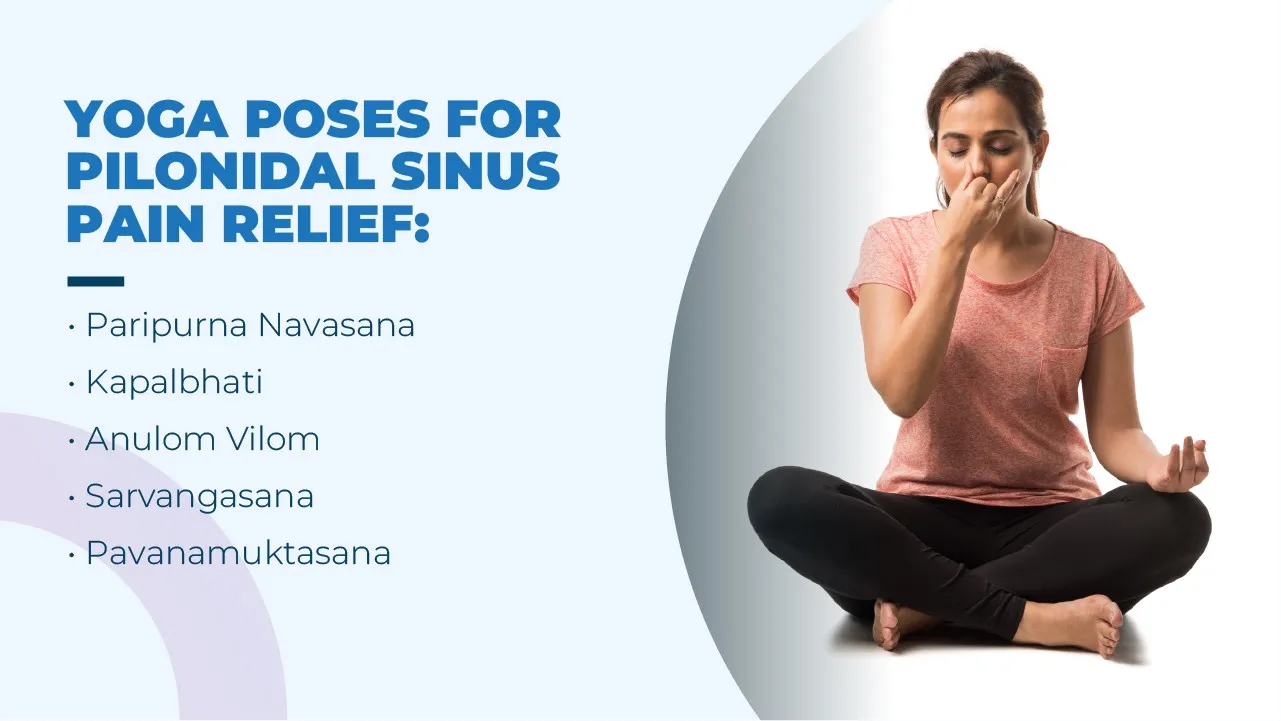
Living with a pilonidal sinus can be incredibly uncomfortable and physically limiting. This small, painful cyst near the tailbone affects many. A study shows that pilonidal disease is estimated to be 26 per 100,000 people annually. It often requires a prudent approach to physical activity. One of the most popular ways to manage discomfort is to practising yoga for Pilonidal Sinus. It helps improve lifestyle habits and promotes better physical health.
While yoga cannot replace surgery, it can help reduce tailbone pressure. It also promotes blood flow, which is essential for healing. This guide explores how gentle movement helps to find relief. You can manage your symptoms and find greater comfort naturally.
What Is a Pilonidal Sinus?
A pilonidal sinus is a small hole or tunnel in the skin. It usually develops at the top of the buttock’s cleft. This condition occurs when loose hair punctures the sensitive skin. The body treats this hair as a foreign object. This leads to a painful cyst or a local abscess. Common causes include:
- Sitting for long periods in one position.
- Excessive body hair in the sacral region.
- Friction from tight clothing or activities like cycling.
- Local skin trauma or a family history of cysts.
If the area becomes infected, it causes severe swelling and pus. You might feel sharp pain when sitting or walking. Understanding these triggers is the first step toward effective management.
Is Pilonidal Sinus Yoga Safe During Mild Symptoms?
Physical activity is one of the highly recommended pilonidal sinus natural treatments. Gentle movement prevents the area from becoming stiff or stagnant. It also improves lymphatic drainage, which carries away toxins. However, you must be very careful with intensity. Yoga helps the body in several key ways:
- Reduces stress, which lowers overall body inflammation.
- Improves flexibility in the lower back and hips.
- Encourages a healthy weight to reduce skin friction.
Always listen to your body during these sessions. Stop immediately if you feel any sharp or stinging pain.
Which Yoga Poses Are Best for Pilonidal Sinus Pain Relief?
Certain stretches are excellent for opening the tight hip muscles. These pilonidal sinus pain relief yoga shifts weight away from the sensitive cleft. Here are the five most effective yoga poses and breathing techniques for managing pilonidal sinus symptoms.
- Paripurna Navasana (Boat Pose)
This pose is very effective for managing your pain. It strengthens your hip flexors and tones your lower body. Regular practice helps to improve your overall blood circulation. This allows your body to heal naturally much faster. Steps include:
- Sit tall and lift legs to a 45-degree angle.
- Straighten your knees and keep your toes at eye level.
- Extend your arms parallel to the floor and hold.
- Stay in this pose for thirty seconds every day.
- Kapalbhati (Breath of Fire)
This breathing practice helps to remove toxins from the body. It improves the blood supply to your vital organs daily. This helps your body function at its very best level and is even helpful in healing an infected sinus area. Steps include:
- Sit comfortably with a very straight and tall spine.
- Exhale sharply while pulling your navel toward your back.
- Let the inhale happen naturally and very quickly.
- Perform three rounds of twenty breaths every single morning.
- Anulom Vilom (Alternate Nostril Breathing)
This technique helps to detoxify your entire vascular system. It reduces weight to prevent further pressure on the tailbone area. This focused breathing helps to ease your physical pain. Steps include:
- Block your right nostril and inhale through the left.
- Hold your breath for three seconds and then switch.
- Exhale through the right nostril while blocking the left.
- Complete ten rounds to relax your mind and body.
- Sarvangasana (Shoulder Stand)
This pose improves blood circulation and increases your oxygen levels. It helps your body organs to detoxify and heal faster. Regular practice majorly improves how your vascular system works. It is a powerful pose for your overall health. Steps include:
- Lie on your back and lift your legs up.
- Support your lower back with both of your hands.
- Keep your body straight and breathe very normally.
- Hold this posture for ten seconds for the best results.
- Pavanamuktasana (Wind-Relieving Pose)
This pose improves digestion and relieves your lower back pain. It creates elasticity and helps to manage your daily discomfort. Pavanamuktasana offers temporary relief for many pilonidal sinus symptoms. It is a very gentle and safe movement. Steps include:
- Lie back and pull one knee to your chest.
- Touch your knee with your forehead and hold it.
- Repeat this with your other leg very slowly.
- Hold each stance for five seconds and breathe softly.
Practising these exercises regularly will improve your overall health quickly. You will notice amazing improvements in your condition within weeks. Always remember not to overexert yourself while doing yoga. Too much pressure can lead to scarring of the sinus.
Also Read: Yoga poses for Tinnitus
Which Yoga Pose Should Be Avoided in A Pilonidal Sinus?
Not all movements are beneficial for a pilonidal cyst. Some yoga poses can worsen the irritation or cause tearing of the skin. Below are the main yoga-related activities you should strictly avoid:
- Seated Forward Folds: These involve repeated friction on the painful tailbone area.
- Dhanurasana (Bow Pose): This can cause the lower back to compress.
- Malasana (Deep Squats): These put immense strain on the sensitive gluteal cleft.
- Back Rolls: These carry a risk of causing a painful cyst to rupture.
- Baddha Konasana (Butterfly Pose): Sitting and leaning forward increases local pressure.
- Ananda Balasana (Happy Baby): Rocking on the back can irritate the cyst.
- Halasana (Plough Pose): This puts extreme weight on the upper and lower spine.
Switching to standing or prone poses like Mountain Pose or Cobra is a much safer choice. These allow you to stay active while keeping the tailbone area completely free from pressure and friction.
What Are the Effective Home Remedies for Pilonidal Sinus?
Combining yoga for pilonidal cyst relief with home remedies can give effective results. These methods focus on hygiene and reducing bacterial growth. The National Health Service (NHS) recommends keeping the area clean and dry at all times.
Here are some helpful home care tips for you:
- Epsom Salt Soaks: A warm sitz bath reduces pain and swelling.
- Warm Compresses: Use a warm, damp cloth to drain pus naturally.
- Loose Clothing: Wear cotton fabrics to allow the skin to breathe.
- Doughnut Cushions: Use these to reduce pressure when sitting for work.
- Maintain Hygiene: Clean the area twice daily with mild soap.
- Dietary Changes: A high-fibre diet also prevents constipation and lower back strain.
Receive Guidance to Manage Pilonidal Sinus Symptoms with Yoga!
Choosing yoga for Pilonidal Sinus is an excellent health choice. It supports your body and manages your symptoms naturally. Gentle poses like Cobra help you stay active safely. Always avoid high-impact sports that cause painful skin friction. If your pain persists, you must seek expert medical help.
Yoga provides comfort, but it works best with medical advice. Contact Apollo Spectra for a professional consultation. We will provide expert advice based on your specific case. Our experts provide effective treatment options to ensure a permanent recovery.
Recent Blogs



Get Expert Health Advice
Related Blogs

NOTICE BOARD
CONTACT US
FOR PARTNERSHIP
CONTACT US
FOR PARTNERSHIP
.svg)
.svg)
.svg)
.svg)


 Book Appointment


Need Help?
Request a Callback
Have questions about your treatment or consultation? Our experts are here to help.