

World Osteoporosis Day 2026: Build, Protect, Strengthen Your Bones for Life
September 18, 2026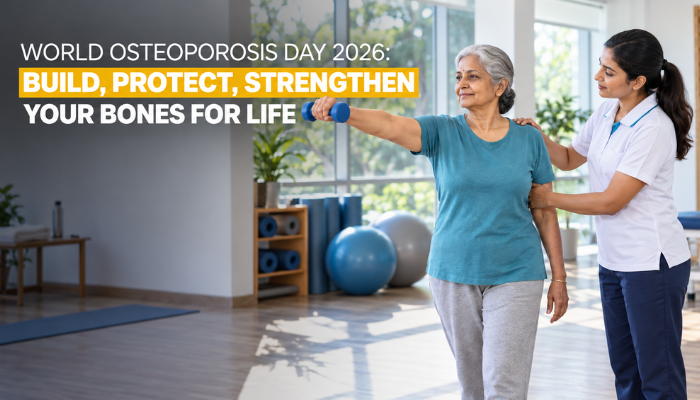
Osteoporosis rarely announces itself with obvious symptoms. Bone loss may continue quietly for years, and the first sign may be a wrist, hip, or spinal fracture after a minor fall. Although the risk increases with age, particularly after menopause in females, the foundations of bone strength are laid much earlier. Nutrition, physical activity, smoking, certain health conditions and long-term use of some medicines can all influence how well bones withstand everyday stress.
Observed on 20 October, World Osteoporosis Day encourages people to consider bone health before a fracture occurs. It draws attention to prevention, early risk assessment, timely diagnosis and appropriate treatment that can help protect mobility and independence throughout life.
What is World Osteoporosis Day?
World Osteoporosis Day is a global awareness initiative observed every year on 20 October. Organised by the International Osteoporosis Foundation, it draws attention to osteoporosis and fragility fractures - a broken bone caused by a minor fall or impact that would not normally break a healthy bone.
The day brings together healthcare organisations, patient groups, communities and individuals worldwide to raise awareness and promote the prevention, early diagnosis and treatment of osteoporosis. It also encourages people to recognise their risk factors, seek a bone-health assessment when appropriate and continue prescribed care after a diagnosis or fragility fracture.
The observance began in 1996 as an initiative of the United Kingdom’s National Osteoporosis Society, with support from the European Commission. The International Osteoporosis Foundation took over its organisation in 1997, while the World Health Organization joined as a co-sponsor in 1998 and 1999.
World Osteoporosis Day 2026 Theme
The official 2026 campaign focuses on lifelong bone health, with the message “Build, Protect, Strengthen Your Bones for Life.”
The message reflects a simple fact: bone health requires attention at every stage of life, but the priorities change over time.
- Build bones during childhood and adolescence: Nutritious food, regular physical activity and healthy development help the body build stronger bones before peak bone mass is reached.
- Protect bones throughout adulthood: Staying active, eating a balanced diet, avoiding smoking and understanding personal risk factors can help limit avoidable bone loss.
- Strengthen bones after osteoporosis or a fracture: Timely diagnosis, prescribed treatment, suitable exercise, good nutrition and fall prevention can reduce the risk of another fracture.
The official World Osteoporosis Day campaign emphasises that it is never too early or too late to take action. The goal is not simply to improve a bone-density score, but to help people preserve movement, independence and quality of life.
Why is World Osteoporosis Day Important?
Osteoporosis makes bones weaker and more likely to fracture. It often remains undetected because bone loss itself usually causes no pain. Many people discover the condition only after breaking a bone following a minor fall, bump or sudden movement.
The scale and consequences of the condition explain the importance of World Osteoporosis Day:
- The International Osteoporosis Foundation reports that one in three women and one in five men aged 50 years or older will experience an osteoporotic fracture during their lifetime.
- Fragility fractures frequently affect the hip, wrist, spine or shoulder. They may cause pain, reduced movement, loss of independence and a need for long-term rehabilitation.
- One fracture increases the likelihood of another. Assessment after a fragility fracture provides an important opportunity to identify and treat the underlying bone weakness.
- The official campaign reports that only around 20% of people with osteoporotic fractures receive a diagnosis or treatment for osteoporosis, highlighting a substantial care gap.
World Osteoporosis Day helps shift the conversation from treating fractures alone to identifying why they occurred and reducing the risk of future fractures.
What is Osteoporosis?
Bone is living tissue that continuously breaks down and rebuilds itself. Osteoporosis develops when bone loss occurs faster than new bone formation. Over time, bones become less dense and structurally weaker.
Osteoporosis-related fractures commonly affect the:
- Hip
- Wrist
- Spine
- Upper arm
- Pelvis
Osteopenia means bone density is lower than expected but has not reached the diagnostic range for osteoporosis. It does not always progress to osteoporosis, but it may require risk assessment and preventive care.
Who is at Risk of Osteoporosis?
Osteoporosis affects both women and men. Risk depends on a combination of age, medical history, lifestyle, bone density and the likelihood of falling.
Risk Factors That Cannot Be Changed
- Increasing age
- Menopause, particularly early menopause
- A parent who experienced a hip fracture
- Previous fragility fracture
- Naturally small body frame
- Family history of osteoporosis
Health Conditions and Medicines
The risk may also increase with:
- Rheumatoid arthritis
- Coeliac disease or inflammatory bowel disease
- Thyroid and parathyroid disorders
- Chronic kidney or liver disease
- Hormonal conditions
- Long-term corticosteroid use
- Some anti-seizure medicines
- Hormone-suppressing treatment for breast or prostate cancer
- Conditions or surgery that interfere with nutrient absorption
People taking long-term medicines should not stop them without medical advice. A doctor can review whether a medicine affects bone health and whether monitoring or preventive treatment is appropriate.
Lifestyle-Related Risk Factors
- Low levels of physical activity
- Inadequate calcium, vitamin D or protein intake
- Smoking
- Excessive alcohol consumption
- Being underweight
- Repeated falls or poor balance
Having one risk factor does not confirm osteoporosis. It indicates that discussing bone health with a doctor may be worthwhile.
Are There Any Early Signs of Osteoporosis?
Osteoporosis usually causes no noticeable symptoms before a fracture. Possible signs of weakened bones include:
- A fracture after a minor fall or impact
- Sudden or persistent back pain
- Gradual loss of height
- A stooped or increasingly curved posture
- Reduced mobility following a fracture
Back pain and changes in posture have many possible causes, so these signs do not confirm osteoporosis. Medical assessment helps determine whether a fracture or another condition is involved.
How is Osteoporosis Diagnosed?
Diagnosis begins with a review of age, previous fractures, family history, lifestyle, medical conditions and medicines.
Tests may include:
- DXA scan: A dual-energy X-ray absorptiometry scan measures bone mineral density, usually at the hip and lower spine. It uses a low dose of radiation and is the standard test for assessing bone density.
- Fracture-risk assessment: Tools such as FRAX estimate the probability of a hip or major osteoporotic fracture over the next ten years. Doctors interpret the result alongside medical history and, when available, DXA findings.
- Blood and urine tests: These tests do not diagnose osteoporosis on their own. They may help identify vitamin D deficiency, thyroid problems, kidney disease, or another cause of bone loss.
- X-rays or other imaging: Imaging may identify spinal or other fractures, but an ordinary X-ray cannot reliably rule out early bone loss.
How Can Osteoporosis Be Prevented?
The prevention of osteoporosis begins early and continues throughout life. Healthy habits cannot prevent every case, particularly when age, genetics, illness or medicines contribute to bone loss. They can still support bone strength and reduce avoidable fracture risks.
Include Bone-Supporting Foods
Eat a balanced diet containing calcium, protein and other essential nutrients. Calcium-rich options may include:
- Milk, curd and paneer
- Ragi and sesame seeds (til)
- Soybeans and tofu made with calcium salts
- Green vegetables such as chaulai (amaranth leaves), drumstick leaves and cauliflower greens, broccoli, kale and bok choy
- Small fish such as sardines and anchovies, which can be cooked and eaten with their bones
- Calcium-fortified breakfast cereals and plant-based drinks, such as soy milk
Protein supports both bones and muscles. Include suitable sources such as pulses, beans, dairy products, eggs, fish, lean meat, nuts or soy foods.
Food is generally the preferred source of calcium. Supplements are not necessary for everyone and excessive intake may cause harm. Ask a doctor or dietitian whether you need a supplement and what dosage is appropriate.
Maintain Adequate Vitamin D Levels
Vitamin D helps the body absorb calcium. Sunlight, food and supplements may contribute to vitamin D levels, but requirements differ according to age, health, skin exposure and existing deficiency.
Avoid taking repeated high-dose vitamin D without medical advice. A doctor may recommend a blood test and an appropriate dose when deficiency or a high risk of deficiency is suspected.
Combine Different Forms of Exercise
A bone-health exercise routine may include:
- Weight-bearing activities: Brisk walking, stair climbing and dancing
- Resistance exercises: Weights, resistance bands or suitable body-weight exercises
- Balance exercises: Tai chi and supervised balance practice
- Posture and mobility exercises: Movements that support safe everyday activity
People with osteoporosis, poor balance or a previous spinal fracture may require an individualised exercise programme. Forceful forward bending, repeated twisting or high-impact exercises may be unsafe for some people. Guidance from qualified physiotherapists can help identify appropriate movements. Current osteoporosis guidance recommends combining weight-bearing and muscle-strengthening exercise according to individual ability.
Avoid Smoking and Limit Alcohol
Smoking contributes to weaker bones and a higher fracture risk. Excessive alcohol intake may interfere with bone health and increase the likelihood of falls. People who smoke or find it difficult to reduce alcohol use can seek professional support.
Maintain a Healthy Body Weight
Being underweight may reduce bone reserves and increase fracture risk. Excess body weight may also move and balance more difficult for some people. Focus on adequate nutrition, muscle strength, and a sustainable weight rather than restrictive dieting.
Reduce the Risk of Falls
For older adults and people with weak bones, preventing falls is an important part of fracture prevention. Practical steps include:
- Removing loose rugs and clutter from walkways
- Keeping stairs, halls and bathrooms well lit
- Using handrails and non-slip bathroom surfaces
- Wearing well-fitting shoes with slip-resistant soles
- Having vision and hearing checked
- Reviewing medicines that cause dizziness or drowsiness
- Practising strength and balance exercises
We can divide the information into four clear parts and pull the medication warning into a separate callout:
How is Osteoporosis Treated?
Osteoporosis treatment aims to lower the risk of fractures, preserve mobility and prevent further bone loss. The doctor develops a treatment plan based on factors such as bone density, age, previous fractures, underlying causes and overall fracture risk.
Support Bone Health
The treatment plan may include:
- Adequate calcium and vitamin D
- Weight-bearing and resistance exercises
- Balance training and fall-prevention measures
- Treatment of conditions contributing to bone loss
Reduce Bone Loss or Build New Bone
Doctors may prescribe:
- Antiresorptive medicines, such as bisphosphonates and denosumab, to slow bone breakdown
- Bone-building medicines to stimulate new bone formation in selected people, particularly those at very high fracture risk
The choice and sequence of medicines require specialist assessment.
Important: Do not stop or delay prescribed osteoporosis medicine without consulting the treating doctor. Stopping denosumab without planned follow-on treatment can cause rapid bone loss and increase the risk of spinal fractures.
Manage and Recover from Fractures
A person who has experienced a fracture may need physiotherapy or rehabilitation to restore movement, strength and independence. Surgery may repair a hip, wrist or spinal fracture, but it does not treat the underlying osteoporosis.
Monitor the Condition
Regular follow-up allows the doctor to assess the response to treatment, review fracture risk and adjust the care plan when required. Ongoing osteoporosis treatment remains important even after a fracture has been repaired.
How Can You Participate in World Osteoporosis Day 2026?
Use World Osteoporosis Day to take one or more clear steps towards better bone health:
- Check your risk: Complete the IOF Osteoporosis Risk Check. Discuss the result with a doctor if it identifies risk factors.
- Follow up after a minor fracture: Ask whether an osteoporosis assessment is needed if you or a family member has broken a bone after a minor fall or impact.
- Make the home safer: Remove loose rugs and clutter, improve lighting and add handrails or non-slip bathroom surfaces where required.
- Include bone-strengthening movement: Take a brisk walk and include suitable resistance and balance exercises. People with osteoporosis or a previous fracture should seek guidance before starting strenuous exercise.
- Review bone-health nutrition: Check whether daily meals contain adequate calcium, protein and vitamin D. Speak with a doctor before starting supplements.
- Arrange an awareness session: Schools, workplaces and community groups can invite a doctor or physiotherapist to discuss osteoporosis risks, bone-density testing and fall prevention.
- Share reliable information: Post a verified bone-health resource using #WorldOsteoporosisDay and encourage people with risk factors to seek medical advice.
A clear World Osteoporosis Day message could be: “A fracture after a minor fall may be a warning sign. Ask a doctor about bone-health assessment.”
Take the Next Step Towards Better Bone Health
Osteoporosis often remains hidden until a fracture occurs, but a fracture does not have to be the first reason to consider bone health. A risk assessment can help identify whether further testing, lifestyle changes, or treatment may be appropriate.
At Apollo Spectra, orthopaedic doctors assess bone and joint concerns and recommend care according to the diagnosis and individual risk factors. Depending on the hospital and patient’s needs, care may involve diagnostic services, medical treatment, fracture management, physiotherapy or rehabilitation.
To consult a specialist, book an appointment online or call at 04069146088. The availability of specific tests, specialists and treatments may vary by location.
Recent Blogs
Get Expert Health Advice
Related Blogs
NOTICE BOARD
CONTACT US
FOR PARTNERSHIP
CONTACT US
FOR PARTNERSHIP
.svg)
.svg)
.svg)
.svg)


 Book Appointment


Need Help?
Request a Callback
Have questions about your treatment or consultation? Our experts are here to help.