

Deep Vein Thrombosis (DVT): Symptoms, Causes, Treatment & Prevention
January 1, 1970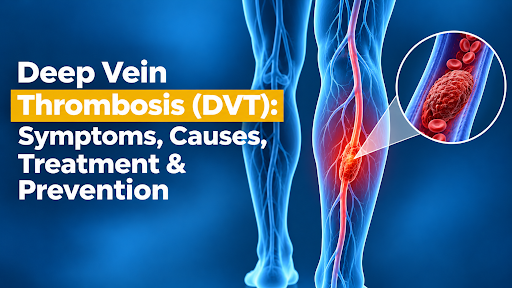
Deep vein thrombosis (DVT) occurs when a blood clot forms in a deep vein, most commonly in the leg. It can partially or completely obstruct blood flow, causing symptoms such as swelling, pain, tenderness and warmth in the affected area. However, some people with DVT may experience no noticeable symptoms. The condition requires prompt medical attention because a clot can break loose and travel to the lungs, causing a potentially life-threatening complication known as pulmonary embolism.
Recognising the symptoms of DVT and understanding its causes and risk factors can help with timely diagnosis and treatment. In this article, we’ll discuss the warning signs of deep vein thrombosis, how it is diagnosed and treated, and the preventive measures that may help reduce the risk of developing blood clots.
What is Deep Vein Thrombosis (DVT)?
Deep vein thrombosis is a condition in which a blood clot, medically known as a thrombus, develops inside one of the deep veins of the body. These veins carry blood from the limbs back towards the heart.
DVT most commonly occurs in the deep veins of the calf, thigh or pelvis, although it can also develop in the arms.
Normally, blood flows continuously through the veins. However, certain conditions can slow circulation, damage the inner lining of a blood vessel or increase the blood's tendency to clot.
When a clot forms inside a deep vein, it may partially or completely obstruct blood flow. This can cause swelling, pain and changes in the appearance of the affected limb.
Unlike a clot in a superficial vein close to the skin, a deep vein clot can cause serious complications if part of it breaks away and travels through the bloodstream to the lungs.
DVT and pulmonary embolism are collectively known as venous thromboembolism (VTE).
What are the Early Signs and Symptoms of DVT?
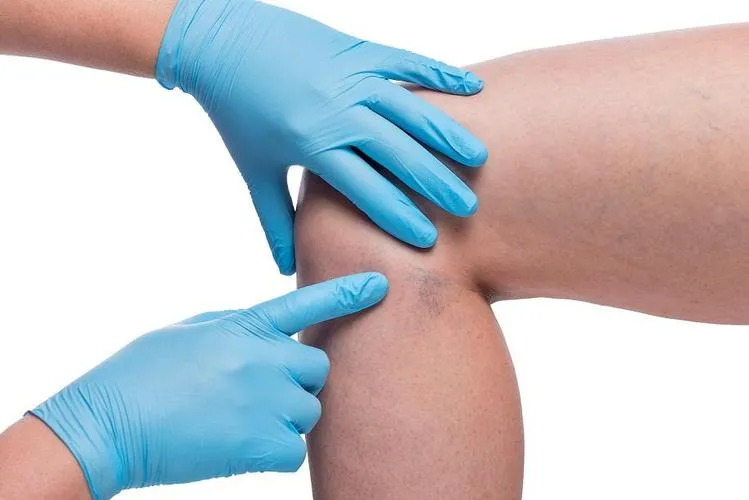
The early signs of DVT can be easy to overlook because they sometimes resemble muscle strain, cramps or discomfort after prolonged sitting.
Symptoms typically affect one leg, although both legs can occasionally be involved. Some people develop DVT without experiencing any noticeable symptoms.
Common deep vein thrombosis symptoms include:
- Swelling in one leg: Noticeable swelling in the calf, ankle, thigh or entire leg, sometimes developing suddenly.
- Unexplained leg pain: Aching, tenderness or cramping, particularly in the calf or thigh.
- Warmth around the affected area: The skin over the affected vein may feel warmer than the surrounding skin.
- Skin colour changes: The affected leg may appear reddish, bluish or darker than usual. These changes may be less noticeable on darker skin tones.
- Tenderness when touched: The affected area may feel uncomfortable or painful when pressure is applied.
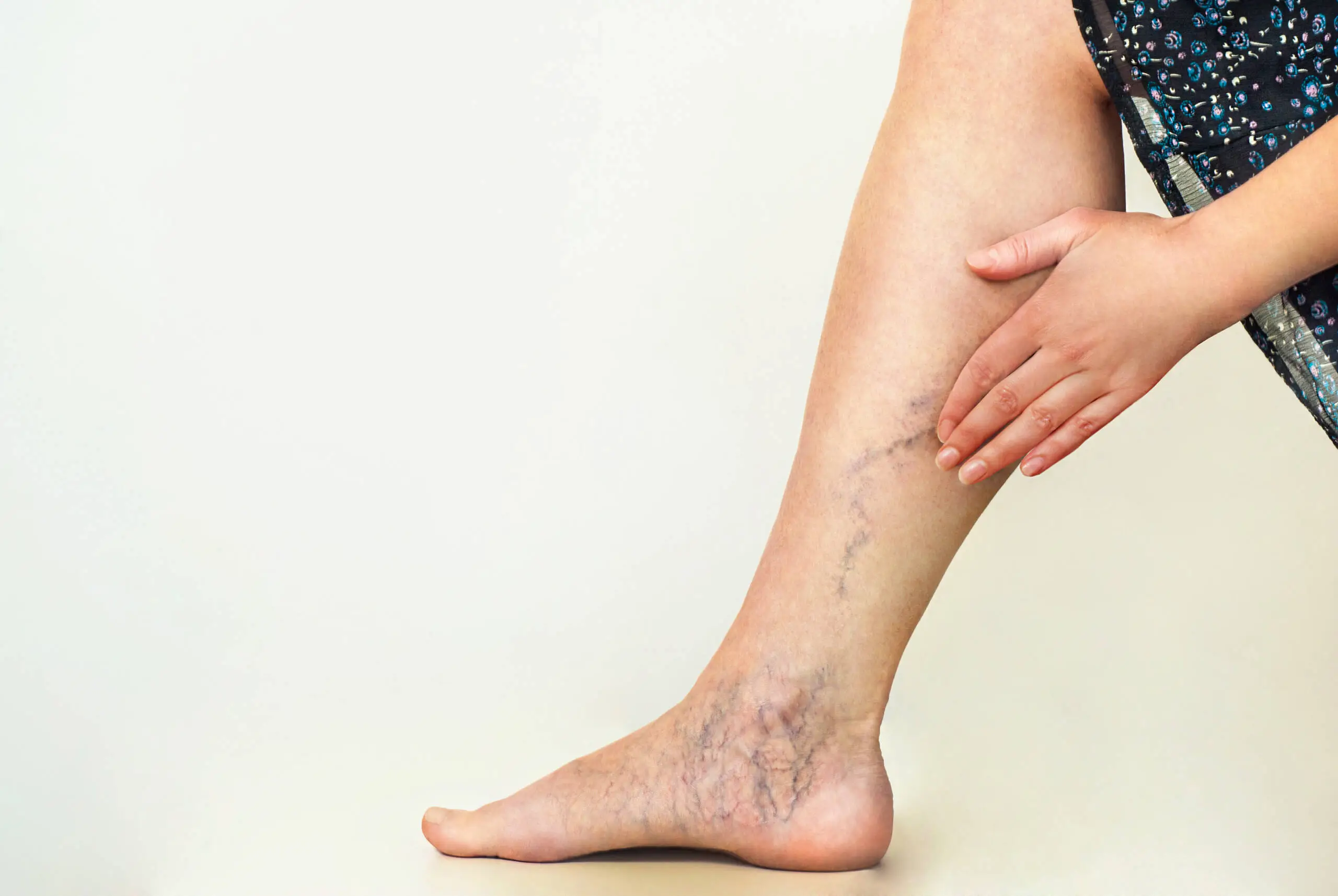
- Prominent surface veins: Veins close to the skin may become more visible as blood flow is redirected around the obstruction.
These symptoms can occur with other conditions, including muscle injuries, infections and venous disorders.
However, a swollen or painful leg without an obvious explanation should be assessed urgently, particularly after surgery, prolonged bed rest or a long journey.
Avoid attempting to diagnose DVT by squeezing the calf or checking whether moving the foot causes pain. These methods cannot reliably confirm or exclude a blood clot.
DVT and Pulmonary Embolism: When Is It an Emergency?
One of the most serious complications of DVT is pulmonary embolism (PE).
This occurs when part of a blood clot breaks away from a deep vein, travels through the bloodstream and becomes lodged in an artery supplying the lungs.
A pulmonary embolism can interfere with blood circulation and oxygen exchange, potentially causing severe breathing difficulties and cardiovascular complications.
Warning signs of pulmonary embolism include:
- Sudden or unexplained shortness of breath
- Chest pain that becomes worse when breathing deeply or coughing
- Rapid or irregular heartbeat
- Coughing up blood
- Sudden dizziness, fainting or collapse
Seek emergency medical care immediately if these symptoms occur. Do not wait for them to improve or attempt to travel to the hospital without assistance.
Pulmonary embolism can occur even when there are no obvious symptoms of DVT in the legs.
What Causes Deep Vein Thrombosis?
Deep vein thrombosis develops when normal blood circulation or the body's clotting process is disrupted.
Doctors commonly explain the underlying mechanisms through three factors, collectively known as Virchow's triad.
1. Slowing of Blood Flow
When the legs remain still for extended periods, the calf muscles are not contracting regularly to help move blood back towards the heart.
This can cause blood to flow more slowly through the deep veins, increasing the likelihood of clot formation.
Prolonged bed rest, restricted mobility after surgery and long periods of sitting are examples of situations that can contribute to reduced venous blood flow.
2. Damage to the Blood Vessel Wall
An injury to the inner lining of a vein can trigger the body's clotting response.
This may occur following:
- Major surgery
- Significant physical trauma
- Bone fractures
- Certain medical procedures involving blood vessels
- Inflammation or injury affecting the veins
The clotting response normally helps prevent excessive bleeding. However, clot formation within a deep vein can interfere with circulation.
3. Increased Tendency of Blood to Clot
Some medical conditions and physiological changes make the blood more likely to form clots.
Examples include certain inherited clotting disorders, pregnancy, cancer and conditions such as antiphospholipid syndrome.
Several factors may occur together, increasing the overall likelihood of developing DVT.
Who is at Risk of Developing DVT?
DVT can affect people of any age, but certain circumstances increase the risk.
Common DVT risk factors include:
Recent Surgery or Hospitalisation
Surgical procedures, particularly those involving the hips, knees, pelvis or abdomen, can increase the likelihood of blood clot formation.
The risk may be related to tissue injury, reduced movement during recovery and changes in the body's clotting response.
Prolonged Immobility
Remaining in bed because of illness or injury, wearing a restrictive cast or sitting for long periods can reduce blood circulation in the legs.
Long-distance travel may also increase the risk, particularly when combined with other risk factors.
Pregnancy and the Postpartum Period
Pregnancy naturally increases the body's clotting tendency to help protect against excessive bleeding during childbirth.
However, these changes also increase the risk of DVT during pregnancy and in the weeks following delivery.
Hormonal Medication
Certain oestrogen-containing contraceptives and hormone replacement therapies can increase the risk of blood clots.
The degree of risk depends on the type of treatment and individual medical history.
Cancer and Cancer Treatment
Some cancers and their treatments can affect blood clotting.
Reduced mobility, surgery and certain cancer therapies may further increase the risk.
Previous Blood Clots or Family History
People who have previously experienced DVT or pulmonary embolism have a higher risk of another episode.
A family history of blood clots or an inherited clotting disorder may also increase susceptibility.
Other Medical and Lifestyle Factors
Additional factors include increasing age, obesity, smoking and certain chronic medical conditions.
Some autoimmune diseases, particularly antiphospholipid syndrome, can also increase the likelihood of abnormal blood clot formation.
Having one or more risk factors does not mean that DVT will necessarily develop. However, recognising these factors can help identify when preventive measures or medical assessment may be appropriate.
Why Can DVT Develop After Surgery?
DVT after surgery is an important concern because several risk factors can occur simultaneously.
During an operation, blood vessels and surrounding tissues may be affected. After surgery, pain, weakness or movement restrictions can reduce the frequency of normal leg movements.
Certain surgical procedures also trigger temporary changes in the body's clotting response.
Although the level of risk varies between procedures and individuals, preventive care may include:
- Early mobilisation: Helping patients begin moving and walking when medically safe.
- Leg exercises: Encouraging appropriate ankle and calf movements when mobility is limited.
- Compression devices: Using prescribed mechanical devices to support venous blood flow.
- Preventive anticoagulation: Providing medication to reduce clot formation in patients whose risk assessment indicates a need.
- Continued precautions after discharge: Following prescribed preventive treatment when the risk persists after leaving hospital.
Not every surgical patient requires anticoagulant medication or compression devices.
The healthcare team assesses factors such as the type of surgery, mobility, previous blood clots and bleeding risk before recommending preventive measures.
Importantly, DVT can develop after hospital discharge, so patients should remain alert to unexplained swelling, pain or tenderness during recovery.
How is Deep Vein Thrombosis Diagnosed?
Deep vein thrombosis diagnosis involves assessing symptoms, identifying risk factors and using appropriate investigations to confirm whether a clot is present.
Because symptoms alone cannot reliably distinguish DVT from other conditions, doctors use a combination of clinical assessment and diagnostic tests.
Medical History and Physical Examination
The doctor may ask about recent surgery, hospitalisation, long-distance travel, pregnancy, medication use and any previous blood clots.
During the examination, the affected leg may be assessed for swelling, tenderness, temperature changes and skin discolouration.
A clinical assessment tool called the Wells score may be used to estimate the likelihood of DVT and guide further investigations.
D-Dimer Blood Test
A D-dimer test measures substances released when blood clots are broken down in the body.
A low D-dimer result can help rule out DVT in patients assessed as having a low clinical probability of the condition.
However, an elevated result does not necessarily confirm a blood clot.
D-dimer levels can also rise after surgery, during pregnancy, with infections and in several other medical conditions.
For this reason, a DVT blood test is interpreted alongside clinical findings rather than being used as a standalone diagnosis.
Duplex Ultrasound
A venous duplex ultrasound, sometimes called a compression ultrasound, is one of the main investigations used to diagnose DVT.
It uses sound waves to assess blood flow through the veins and identify possible blockages.
The examination can help determine whether a clot is present and which veins are affected.
It is non-invasive and does not involve exposure to ionising radiation.
Additional Imaging Tests
In selected cases, particularly when ultrasound results are inconclusive or a clot is suspected in the pelvic or abdominal veins, further imaging may be recommended.
These investigations may include CT venography or magnetic resonance venography.
If the initial scan is negative but clinical findings continue to suggest DVT, the doctor may recommend a repeat ultrasound after several days.
Is Routine DVT Screening Necessary?
Routine DVT screening is not recommended for every healthy person.
Doctors assess the need for investigations according to symptoms, clinical probability and individual risk factors.
Patients admitted to hospital or undergoing surgery may receive a separate VTE risk assessment to determine whether preventive measures are necessary.
What are the Treatment Options for DVT?
The main objectives of DVT treatment are to prevent the clot from growing, reduce the risk of pulmonary embolism, limit complications and prevent future blood clots.
The recommended approach depends on the clot's size, location, severity and the patient's medical condition.
1. Anticoagulant Treatment
Anticoagulants, commonly called blood thinners, are the primary treatment for most patients with confirmed DVT.
These medicines reduce the blood's ability to form additional clots and help prevent an existing clot from becoming larger.
They do not directly dissolve the clot. Instead, they allow the body's natural processes to gradually break it down.
Anticoagulant treatment may involve oral medication or injections, depending on the patient's circumstances.
For most patients with confirmed proximal DVT, treatment is recommended for at least three months.
Some patients require a longer course, particularly when the clot occurred without a clear temporary trigger or when ongoing risk factors are present.
The duration is determined by balancing the risk of another clot against the possibility of bleeding complications.
Never stop prescribed anticoagulant treatment without medical advice, even if swelling and pain have improved.
2. Compression Stockings
Medical-grade compression stockings may help manage leg swelling and discomfort in selected patients.
These stockings apply graduated pressure to support blood flow from the legs towards the heart.
However, they are not recommended routinely for everyone solely to prevent post-thrombotic syndrome, as evidence of that preventive benefit is uncertain.
A doctor should determine whether compression stockings are appropriate, particularly when a patient has other circulation-related conditions.
3. Clot-Dissolving Treatment
Thrombolytic treatment involves administering medicines designed to break down a blood clot.
It may be considered in selected patients with extensive or severe DVT, particularly when the clot causes significant obstruction and the potential benefits outweigh the risks.
In some cases, treatment is delivered through a catheter placed directly into the affected vein.
Because thrombolytic treatment can increase the risk of serious bleeding, it is not routinely used for uncomplicated DVT.
4. Thrombectomy and Surgical Treatment
DVT surgery treatment may be considered in selected cases involving extensive clot formation, severe symptoms or threatened circulation to the affected limb.
A thrombectomy is a procedure used to remove a blood clot from a blood vessel.
Depending on the clinical situation, this may involve a catheter-based technique or, less commonly, open surgery.
A vascular specialist determines whether clot removal is appropriate after reviewing imaging findings, symptom duration, clot location and possible procedural risks.
Most people with DVT do not require thrombectomy.
5. Inferior Vena Cava (IVC) Filters
An inferior vena cava filter is a small device placed inside the large vein that carries blood from the lower body towards the heart.
It is designed to catch certain blood clots before they reach the lungs.
An IVC filter may be considered for selected patients when anticoagulant treatment cannot be given safely, such as those with an important contraindication.
Filters are not routinely recommended when anticoagulant treatment is suitable.
When a temporary filter is used, the medical team should plan appropriate follow-up and consider removal when it is no longer required.
What are the Possible Complications of DVT?
Although many people recover with appropriate treatment, DVT can sometimes cause complications affecting the lungs or long-term circulation in the affected limb.
Pulmonary Embolism
Pulmonary embolism is a potentially life-threatening complication that occurs when a clot travels to the lungs.
It can interfere with oxygen exchange and place strain on the heart.
Sudden breathlessness, chest pain, fainting or coughing up blood requires immediate emergency care.
Post-Thrombotic Syndrome
Post-thrombotic syndrome develops when a previous DVT damages the valves or walls of the affected veins.
This can lead to long-term problems with blood returning from the leg.
Possible symptoms include:
- Persistent leg swelling
- Aching or heaviness
- Skin discolouration
- Discomfort after prolonged standing
- Skin changes or ulcers in severe cases
Symptoms may develop months or even years after the original blood clot.
Recurrent DVT
People who have experienced one DVT may develop another blood clot in the future.
The likelihood depends on the original cause, ongoing medical conditions and whether long-term anticoagulation is required.
Treatment-Related Bleeding
Anticoagulant medicines can increase the risk of bleeding.
Patients should seek prompt medical attention for unusual or persistent bleeding, blood in the stools or urine, or other concerning symptoms.
Severe bleeding, vomiting blood or a significant head injury while taking anticoagulants requires emergency assessment.
How Long Does Recovery from DVT Take?
DVT recovery differs from person to person. Pain and swelling may begin to improve after treatment starts, but they can take weeks or months to settle.
The clot itself may gradually reduce in size over time. In some patients, part of the clot or changes in the vein may remain.
Several factors influence recovery, including:
- The size and location of the clot
- How quickly treatment was started
- The presence of other medical conditions
- Whether the clot involved major veins
- The development of post-thrombotic symptoms
Regular follow-up helps the treating team assess symptom improvement, review anticoagulant treatment and determine whether further investigations are required.
Can You Walk After Being Diagnosed with DVT?
Walking is generally encouraged once DVT has been diagnosed, appropriate treatment has been started and the treating doctor considers mobilisation safe.
Gentle movement may help maintain circulation and reduce the effects of prolonged inactivity.
However, the appropriate activity level depends on symptoms, clot severity and overall health.
Avoid strenuous exercise or activities with a high risk of injury while taking anticoagulants unless your doctor advises otherwise.
If DVT is only suspected and has not yet been assessed, do not rely on walking or leg exercises as treatment. Seek prompt medical evaluation.
How Can You Prevent Deep Vein Thrombosis?
Not every blood clot can be prevented. However, DVT prevention focuses on reducing prolonged immobility, addressing modifiable risk factors and providing preventive treatment when medically indicated.
Stay Physically Active
Regular movement helps the calf muscles support blood flow through the leg veins.
Walking and other suitable forms of physical activity can help reduce prolonged periods of inactivity.
Take Breaks During Long Journeys
When travelling by car, train, bus or aeroplane for several hours, avoid remaining seated without moving.
Stand up, walk when possible and perform gentle ankle movements regularly.
Maintain a Healthy Weight
Obesity is associated with an increased risk of venous blood clots.
Maintaining a healthy weight through balanced nutrition and regular physical activity may help reduce this and other health risks.
Avoid Smoking
Smoking can adversely affect blood vessels and is associated with several cardiovascular and circulatory health risks.
Stopping smoking is an important measure for overall vascular health.
Follow Postoperative Instructions
If you are recovering from surgery, follow your healthcare team's guidance on walking, leg exercises, compression devices and prescribed preventive medication.
Do not stop preventive treatment earlier than recommended.
Discuss Your Risk Before Travel or Surgery
If you have experienced DVT previously, have a known clotting disorder or have other significant risk factors, discuss preventive measures with your doctor.
Some patients may benefit from prescribed compression stockings or preventive anticoagulation. These measures should be selected according to individual risk.
Simple Exercises That May Help Prevent DVT
Gentle leg movements can support blood circulation when sitting for extended periods.
The following exercises to prevent DVT are suitable examples for people who can move safely and have not been advised to restrict movement.
1. Ankle Pumps
Sit comfortably with your feet resting on the floor.
Lift your toes towards your shins while keeping your heels down. Then lower your toes and gently raise your heels.
Repeat the movement several times to activate the calf muscles.
2. Ankle Circles
Lift one foot slightly off the floor while remaining seated.
Slowly rotate your ankle in one direction, then reverse the movement.
Repeat with the other foot.
3. Seated Heel Raises
Keep your toes on the floor and slowly raise both heels.
Hold briefly before lowering them.
This movement activates the calf muscles without requiring you to stand.
4. Gentle Calf Muscle Contractions
While seated, tighten your calf muscles for a few seconds and then relax.
Repeat the movement comfortably, alternating between both legs.
5. Regular Walking Breaks
If your health and surroundings allow, stand and walk for a short period at regular intervals.
During long journeys, moving your legs frequently and walking when practical can help reduce prolonged immobility.
Important: These exercises may support circulation but cannot guarantee prevention of DVT. They are not a substitute for prescribed preventive treatment and should not be used to manage a suspected blood clot without medical assessment.
When Should You Consult a Vascular Specialist?
DVT requires timely diagnosis because symptoms can sometimes progress or lead to serious complications.
Seek urgent medical assessment if you experience:
- Unexplained swelling in one leg
- Persistent calf or thigh pain without a clear injury
- Warmth or discolouration affecting one limb
- New leg pain or swelling following surgery or prolonged bed rest
- Unusual limb swelling after a long journey
- Symptoms suggesting DVT during pregnancy or after childbirth
A vascular surgeon or another clinician experienced in venous disorders may assess the symptoms and recommend suitable investigations.
If symptoms develop during recovery from surgery, contact the treating hospital or seek urgent assessment.
Do not wait for a routine specialist appointment if you develop sudden breathlessness, chest pain, coughing up blood, fainting or collapse. These may indicate pulmonary embolism and require emergency care.
Timely Diagnosis and Treatment Can Help Prevent DVT Complications
Deep vein thrombosis can develop with relatively mild symptoms, but its complications may be serious. Recognising unexplained leg swelling, pain and other warning signs is important, particularly after surgery, prolonged immobility or when other clotting risk factors are present.
With appropriate treatment, many patients recover without major complications. However, completing the prescribed treatment, attending follow-up appointments and addressing ongoing risk factors remain important for reducing the likelihood of another clot.
At Apollo Spectra Hospitals, our vascular surgery services address a range of conditions affecting the veins and arteries, including deep vein thrombosis. Our specialists can evaluate vascular concerns and discuss appropriate diagnostic investigations, medical management and procedural treatment when indicated.
If you have concerns about blood clots or have been advised to undergo vascular evaluation, explore our vascular surgery services or learn more about deep vein thrombosis treatment at Apollo Spectra.
Suspected DVT requires urgent medical assessment. If you experience symptoms of pulmonary embolism, seek emergency care immediately.
Recent Blogs

.png)

Get Expert Health Advice
Our Team of Experts

DR. SANJEEV RAO K
MBBS,DRNB (Vascular)...
| Experience | : | 13 Years |
|---|---|---|
| Speciality | : | Vascular Surger... | Location | : | Kondapur |

DR. JAISOM CHOPRA
MBBS, MS, FRCS...
| Experience | : | 38 Years |
|---|---|---|
| Speciality | : | Vascular Surger... | Location | : | Sector 8 |

DR. BALAKUMAR S
MBBS,MS, MCh...
| Experience | : | 21 Years |
|---|---|---|
| Speciality | : | Vascular Surger... | Location | : | Alwarpet |

DR RAJAH V KOPPALA
MBBS, MD, FRCR (UK)...
| Experience | : | 23 Years |
|---|---|---|
| Speciality | : | Vascular Surger... | Location | : | Alwarpet |

DR. GULSHAN JIT SINGH
MBBS, MS (General Su...
| Experience | : | 49 Years |
|---|---|---|
| Speciality | : | Vascular Surger... | Location | : | Chirag Enclave |
DR. ACHINTYA SHARMA
MBBS, MS,MCh...
| Experience | : | 7 Years |
|---|---|---|
| Speciality | : | Vascular Surger... | Location | : | Chunni Ganj |

DR. JAISOM CHOPRA
MBBS, MS, FRCS...
| Experience | : | 38 Years |
|---|---|---|
| Speciality | : | Vascular Surger... | Location | : | Chirag Enclave |

DR. BALAKUMAR S
MBBS,MS, MCh...
| Experience | : | 21 Years |
|---|---|---|
| Speciality | : | Vascular Surger... | Location | : | MRC Nagar |

DR. VINAY NYAPATHI
MBBS, MD (Radiodiagn...
| Experience | : | 27 Years |
|---|---|---|
| Speciality | : | Vascular Surger... | Location | : | Koramangala |

DR. SAMBA MURTHY KONA
MBBS, M.S, M.Ch....
| Experience | : | 30 Years |
|---|---|---|
| Speciality | : | Vascular Surger... | Location | : | Ameerpet |
Related Blogs
NOTICE BOARD
CONTACT US
FOR PARTNERSHIP
CONTACT US
FOR PARTNERSHIP


 Book Appointment


Need Help?
Request a Callback
Have questions about your treatment or consultation? Our experts are here to help.