

Rectal Bleeding (Blood in Stool): Causes, Symptoms, Treatment and When to See a Doctor
October 9, 2026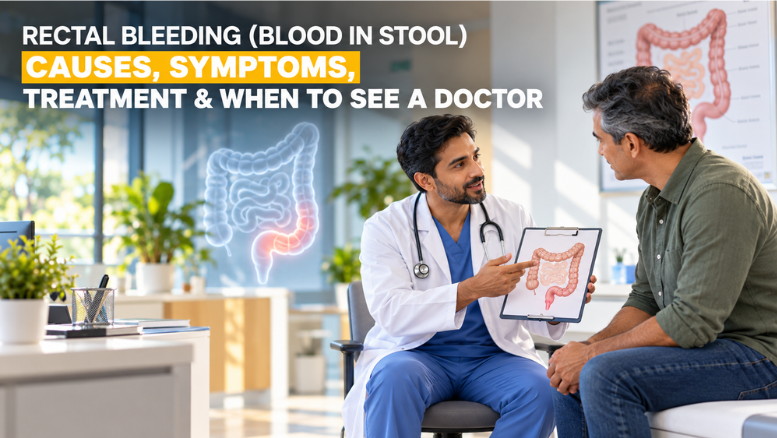
Seeing blood in stool (rectal bleeding) can be worrying and may be associated with conditions such as haemorrhoids, infections, polyps or other gastrointestinal problems. In some cases, rectal bleeding can occur without pain or other obvious symptoms, but repeated or unexplained bleeding should not be overlooked. The sooner the underlying cause is identified the better. This article explains what rectal bleeding is, its possible causes and symptoms, how it is diagnosed and treated, and when medical attention may be needed.
What is Rectal Bleeding?
Rectal bleeding refers to blood that passes through the anus. It may be noticed:
- As streaks on the surface of stool
- Mixed within the stool
- In the toilet bowl
- On toilet paper after wiping
Hematochezia is the medical term commonly used for the passage of fresh or bright red blood through the rectum. Although the term “rectal bleeding” is commonly used, the blood does not necessarily originate from the rectum. Bleeding can occur at different points within the digestive tract.
What Does Blood in Stool Look Like?
The appearance of blood can sometimes help doctors understand where the bleeding may have originated.
|
Appearance |
What It May Suggest |
|
Bright red blood |
Bleeding from the anus, rectum or lower colon |
|
Dark red or maroon blood |
Bleeding from farther up the colon or small intestine |
|
Black, tarry stool |
Bleeding higher in the digestive tract |
|
Blood on toilet paper |
May occur with haemorrhoids, fissures or other local causes |
The colour alone cannot identify the condition, so unexplained bleeding should be medically evaluated.
What Causes Rectal Bleeding?
There are many possible rectal bleeding causes. Doctors consider the appearance and quantity of blood along with age, bowel habits, pain and other symptoms when determining the likely cause.
1. Haemorrhoids
Haemorrhoids are swollen veins around the anus or lower rectum and are among the common reasons for rectal bleeding. They may cause bright red blood during or after a bowel movement, sometimes with itching, swelling or discomfort.
2. Anal Fissure
An anal fissure is a small tear in the lining of the anus. It may develop after passing hard or large stools and typically causes sharp pain and fresh blood during or after bowel movements.
3. Constipation and Hard Stools
Straining during bowel movements and passing hard stools can contribute to haemorrhoids and fissures. This is one of the common ways constipation can indirectly lead to bleeding.
- Gastroenteritis and Intestinal Infections
Certain infections involving the digestive tract can result in bloody diarrhoea along with abdominal cramps, nausea or fever. Gastroenteritis and infectious colitis are among the possible causes.
5. Inflammatory Bowel Disease
IBD, including Crohn's disease and ulcerative colitis, can cause inflammation of the digestive tract. Symptoms may include rectal bleeding, diarrhoea, abdominal pain and changes in bowel habits.
6. Diverticular Disease
Small pouches called diverticula can form in the colon. Bleeding from these areas can sometimes be sudden and painless and may occasionally be substantial.
7. Polyps and Colorectal Cancer
Polyps or colorectal cancer can sometimes cause bleeding, which may occur with changes in bowel habits, unexplained weight loss or anaemia. Rectal bleeding does not automatically indicate cancer, but persistent or unexplained bleeding requires assessment.
8. Upper Gastrointestinal Causes
Bleeding from peptic ulcers or other problems higher in the digestive tract more commonly leads to dark or black, tarry stools. Heavy upper gastrointestinal bleeding can occasionally present differently.
9. Medicines and Other Causes
Other bleeding from rectal area causes can include medicines that affect blood clotting, medicines that irritate the digestive tract, trauma and less common bowel conditions.
Causes of Blood in Stool in Children
Blood in a child's stool can result from an anal fissure, particularly with constipation, gastrointestinal infections, polyps or certain inflammatory or allergic conditions affecting the intestines. The cause can vary with the child's age and accompanying symptoms. Instead of assuming that visible blood is due to constipation, parents should discuss the symptom with a paediatrician, particularly when bleeding persists or is accompanied by diarrhoea, pain, fever, weakness or changes in behaviour.
Rectal Bleeding With No Pain: What Can It Mean?
Yes, painless rectal bleeding can occur. Internal haemorrhoids, diverticular bleeding, polyps and some other intestinal conditions may cause bleeding without significant discomfort.
A pattern of painless bright red rectal bleeding may arise from a source close to the anus or rectum, but colour and absence of pain cannot establish a diagnosis. Therefore, rectal bleeding with no pain should not automatically be considered harmless, especially when it is recurrent or unexplained.
Rectal Bleeding With Other Symptoms: What Should You Pay Attention To?
Rectal bleeding may occur on its own or alongside other symptoms. Paying attention to changes such as itching, abdominal pain, diarrhoea, weakness or dizziness can help determine how promptly medical advice may be needed.
Rectal Bleeding and Itching
Mild itching may occur with irritation around the anus, but persistent itching with swelling, discharge or repeated bleeding should be medically assessed.
Stomach Pain and Rectal Bleeding
Rectal bleeding accompanied by ongoing stomach or abdominal pain deserves medical attention, particularly when the pain is severe, worsening or associated with fever or vomiting.
Rectal Pain and Bleeding
Pain during or after bowel movements may make passing stool difficult or uncomfortable. Persistent pain, worsening tenderness or repeated bleeding should be evaluated.
Diarrhoea With Blood
Bloody diarrhoea should not be ignored, especially when it continues for more than a short period or occurs with fever, dehydration, severe cramps or frequent bowel movements.
Fatigue, Weakness or Dizziness
Feeling unusually tired, weak, light-headed or dizzy alongside rectal bleeding may indicate more significant or ongoing blood loss and should be assessed promptly.
When is Rectal Bleeding an Emergency?
Excessive rectal bleeding or bleeding accompanied by signs of significant blood loss needs prompt medical attention. Seek urgent medical care if there is:
- Heavy rectal bleeding
- A large amount of rectal bleeding
- Bleeding that continues or does not stop
- Passage of large blood clots
- Severe dizziness or fainting
- Weakness, confusion or signs of shock
- Severe abdominal or rectal pain
- Black, tarry stools
- Vomiting blood
- Heavy bleeding with fever, nausea or severe abdominal pain
Do not attempt to manage substantial or continuing bleeding at home.
How is Rectal Bleeding Diagnosed?
Diagnosis begins with understanding the pattern of bleeding. A doctor may ask about:
- Colour and approximate amount of blood
- How long the bleeding has been present
- Pain or itching
- Constipation or diarrhoea
- Changes in bowel habits
- Current medicines
- Family and medical history
- Weight loss, weakness or fatigue
Depending on the suspected cause, investigations may include:
- Physical and rectal examination: The doctor may examine the abdomen and rectal area to look for haemorrhoids, fissures, swelling, tenderness or other visible abnormalities.
- Blood tests: These can help check for anaemia, blood loss or other abnormalities that may point towards the severity or possible cause of bleeding.
- Stool tests: A stool sample may be tested for infection, inflammation or hidden blood that is not easily visible.
- Anoscopy or proctoscopy: These procedures allow the doctor to examine the anal canal and lower rectum closely for haemorrhoids, fissures, inflammation or other abnormalities.
- Flexible sigmoidoscopy: A thin flexible tube with a camera is used to examine the rectum and lower part of the colon for inflammation, polyps, bleeding points or other changes.
- Colonoscopy: This procedure allows the doctor to examine the entire colon and rectum and may also enable biopsy or removal of certain polyps during the same procedure.
- CT or other imaging: Imaging may be recommended when doctors need to assess the bowel, surrounding tissues or possible sources of significant gastrointestinal bleeding.
- Upper endoscopy: If bleeding higher in the digestive tract is suspected, an endoscope may be used to examine the oesophagus, stomach and first part of the small intestine.
Not every person requires all these investigations. Tests are selected according to the pattern and severity of bleeding, accompanying symptoms, age, medical history and findings during the initial examination.
How Is Rectal Bleeding Treated?
Rectal bleeding treatment depends on the source, severity and amount of blood loss. The aim is to control the bleeding, treat the underlying problem and reduce the risk of recurrence or complications. Treatment may include:
- Dietary and bowel-management measures: Increasing fibre and fluid intake, using stool-softening measures and avoiding straining may be advised when constipation or hard stools are contributing to the bleeding.
- Medicines: Depending on the cause, doctors may prescribe topical medicines, anti-inflammatory treatment, antibiotics or other medicines to control inflammation, infection or irritation.
- Endoscopic treatment: During procedures such as colonoscopy, doctors may be able to identify and treat the bleeding site using techniques such as cauterisation, clips or other endoscopic methods.
- Removal of polyps: If a bleeding polyp is identified, it may be removed during colonoscopy and sent for further examination.
- Procedures for persistent anorectal bleeding: When conservative treatment is not enough, procedures may be recommended to treat persistent bleeding from conditions affecting the anus or rectum.
- Intravenous fluids or blood transfusion: People with heavy rectal bleeding or significant blood loss may require fluids through a vein and, in some cases, a blood transfusion to stabilise their condition.
- Surgery: Surgery may be considered when bleeding cannot be adequately controlled with medicines or endoscopic procedures, or when the underlying condition requires surgical treatment.
The exact approach on how to stop rectal bleeding safely varies from person to person.
Diet for Rectal Bleeding: Can Food Help?
There is no universal diet for rectal bleeding because food does not directly treat every possible cause. When constipation contributes to haemorrhoids or fissures, measures that support softer, regular stools may help. These can include:
- Fibre-rich fruits and vegetables
- Whole grains
- Adequate water and other fluids
- Gradually increasing dietary fibre
- Avoiding excessive straining during bowel movements
Dietary recommendations may differ when diarrhoea, infection or IBD is responsible, making an accurate diagnosis important.
Can Rectal Bleeding Be Prevented?
Not every cause of rectal bleeding can be prevented. However, some everyday measures may reduce the risk of constipation, straining and irritation that can contribute to haemorrhoids and anal fissures:
- Eat enough dietary fibre: Fibre adds bulk to stool and can help make bowel movements softer and easier to pass.
- Stay well hydrated: Adequate fluid intake helps prevent stools from becoming hard and difficult to pass.
- Remain physically active: Regular movement supports healthy bowel function and may help reduce constipation.
- Avoid prolonged straining: Repeated straining during bowel movements can increase pressure around the anus and rectum and aggravate haemorrhoids.
- Respond to the urge to pass stool: Regularly delaying bowel movements can contribute to harder stools and make constipation more likely.
- Pay attention to persistent bowel changes: Ongoing constipation, diarrhoea or changes in stool pattern should be assessed rather than repeatedly self-managed.
- Manage existing gastrointestinal conditions: Following prescribed treatment for conditions such as IBD can help control inflammation and reduce the risk of related bleeding.
What Can Happen if Rectal Bleeding is Left Untreated?
The effect of untreated rectal bleeding depends on its cause, duration and severity. Possible complications include:
- Iron-deficiency anaemia: Repeated or ongoing blood loss can gradually reduce iron levels and lead to tiredness, weakness, breathlessness or dizziness.
- Increasing blood loss: Bleeding that continues or becomes heavier can eventually affect blood pressure and circulation and may require urgent treatment.
- Worsening of the underlying condition: Conditions causing the bleeding may continue to progress if they are not identified and treated appropriately.
- Delayed diagnosis: Ignoring recurrent blood in stool can delay the diagnosis of inflammatory bowel disease, polyps, infections or other gastrointestinal conditions.
- Need for more intensive treatment: A condition that may have been manageable earlier can sometimes require more extensive treatment if diagnosis is delayed.
- Condition-specific complications: Untreated fissures, haemorrhoids, inflammatory conditions or other bowel disorders may lead to additional symptoms and complications over time.
When Should You See a Gastroenterologist for Rectal Bleeding?
A Gastroenterologist may be consulted when:
- If rectal bleeding keeps recurring or has no obvious cause.
- If blood is repeatedly mixed with the stool rather than only appearing on toilet paper.
- If bleeding continues despite initial treatment.
- If rectal bleeding occurs with persistent constipation, diarrhoea or changes in bowel habits.
- If bleeding is accompanied by unexplained weight loss.
- If ongoing bleeding is associated with fatigue, weakness or suspected anaemia.
- If rectal bleeding occurs with repeated abdominal pain or other persistent digestive symptoms.
- If further evaluation, such as a colonoscopy, is recommended.
Seek Timely Care for Rectal Bleeding
Rectal bleeding can have many possible causes, and persistent, recurrent or unexplained bleeding should be medically assessed even when there is little or no pain. At Apollo Spectra, patients can consult experienced doctors, gastroenterology specialists and specialists in surgery within a specialty hospital setting that combines expert care with the facilities and support of a larger hospital in a more accessible environment. Apollo Spectra offers access to diagnostic investigations, medical management, endoscopic procedures and surgical care, supported by experienced specialists and modern hospital facilities. To consult a specialist, book an appointment online through the Apollo Spectra website or call 040-6914-6088.
Recent Blogs


Get Expert Health Advice
Related Blogs



NOTICE BOARD
CONTACT US
FOR PARTNERSHIP
CONTACT US
FOR PARTNERSHIP
.svg)
.svg)
.svg)
.svg)


 Book Appointment


Need Help?
Request a Callback
Have questions about your treatment or consultation? Our experts are here to help.