

Advantages of Minimal Invasive Surgery Over Traditional Open Surgery Methods
May 25, 2022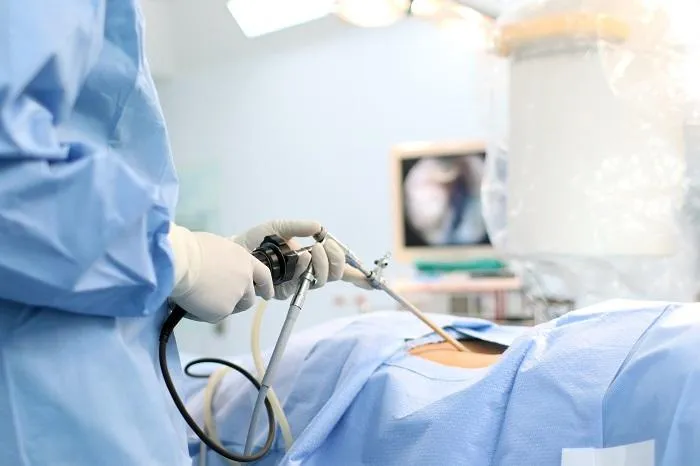
In minimally invasive surgery, a variety of techniques are used by doctors to perform operations with less damage than open surgery. Such surgery is characterised by short hospital duration, fewer risks, and low or moderate pain than traditional open surgery methods. It has become popular over the last few decades due to significant medical and technological advancements. Keep on reading to know more about minimally invasive surgery.
About minimal invasive surgery
In minimally invasive surgery, surgeons reduce or minimise the number and size of incisions or cuts. This surgery is generally safer in comparison to open surgery. The recovery time becomes shorter, which means less time is spent in the hospital. Moreover, the patients feel much more comfortable as they heal relatively quickly after the surgery.
In contrast, traditional open surgery methods involve a large cut or incision on the part of the body that is operated on. It also means more risks, pain, and a longer recovery time.
Who qualifies for a minimally invasive surgical procedure?
The emergence of minimally invasive surgical procedures began in the 1980s. As time progressed, surgeons preferred this surgery to open surgery as a safer and more effective alternative. This is because it requires smaller incisions and shorter hospital stays.
Presently, minimally invasive surgical procedures are used for a variety of surgeries. These surgeries are used to treat a range of moderate to severe problems. Your doctor will first enquire about your symptoms and condition, examine you physically and perform all the medical tests before recommending this procedure. This is to see whether you qualify as a suitable candidate for this surgery or not.
Request an appointment at Apollo Spectra Hospitals. Call 18605002244 to book an appointment.
Why is a minimally invasive surgical procedure conducted?
You should see a minimally invasive surgeon for moderate to severe disorders of the following problems:
- Cancers
- Colon
- Rectal
- Neurological
- Urological
- Orthopaedic-related
- Thoracic
- Otolaryngol
- Endovascular
- Gynaecologic
- Gastroenterological
Different types of minimally invasive surgeries?
The various types of minimally invasive surgeries are as follows:
- Adrenalectomy (removal of an adrenal gland or both)
- Hiatal Hernia Repair (helps in relieving gastroesophageal reflux disease)
- Colectomy (removal of colon parts)
- Splenectomy (removal of the spleen)
- Nephrectomy (kidney removal)
- Spine surgery
- Brain surgery
- Heart surgery
- Gallbladder surgery
- Kidney transplant
Benefits of minimally invasive surgery
There are many benefits of minimally invasive surgery over traditional open surgery methods. Listed below are a few benefits:
- Loss of blood is less.
- Less harm to the tissue, muscle, or skin.
- Shorter time to recover.
- Involves less pain.
- Much lower infection risk.
- Visible scars are smaller and fewer.
To seek these benefits, search for a general surgery doctor near me.
Risks of minimally invasive surgical procedure
Minimal invasive surgical procedure is generally very safe due to smaller surgical incisions. This way, it becomes much safer than traditional open surgery methods. Nevertheless, there still exist some risks with minimally invasive surgical procedures, such as follows:
- Anaesthesia problems
- Bleeding
- Infection
Recent Blogs



Get Expert Health Advice
Related Blogs

NOTICE BOARD
CONTACT US
FOR PARTNERSHIP
CONTACT US
FOR PARTNERSHIP
.svg)
.svg)
.svg)
.svg)


 Book Appointment

Need Help?
Request a Callback
Have questions about your treatment or consultation? Our experts are here to help.