

Is Banana Good for Kidney Stones?
March 27, 2026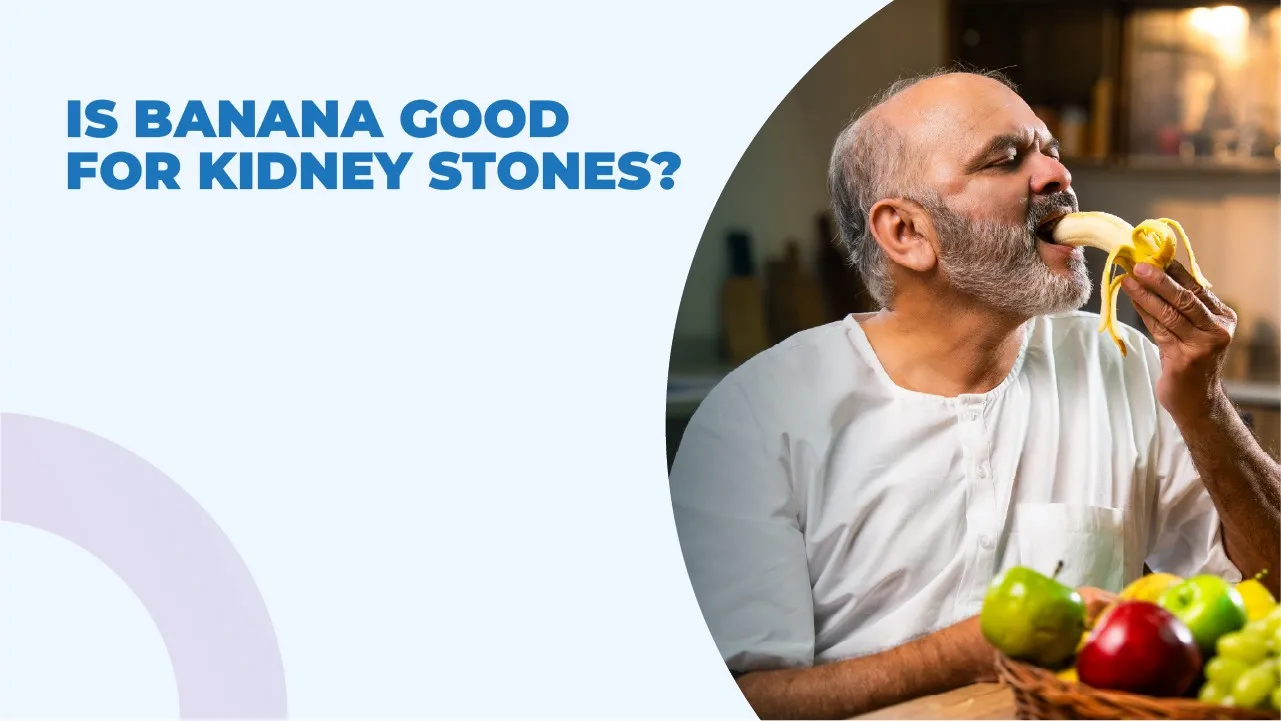
Kidney stones are categorised as one of the most painful conditions to experience. In India, they affect about 12-15% of people, particularly in the Northern "Stone Belt" region. While doctors can treat the stones, what you eat every day is just as important. The right diet helps prevent new stones from forming and helps pass existing ones. However, many patients find it difficult to choose the right foods. Each food has different nutrients, and understanding how they work in the body is important. One of the highly recommended fruits for kidney stones is a banana. But what exactly is the relation between eating a banana and kidney stones? Continue reading to get all the details, along with the right diet tips to keep your kidneys stone-free.
What Are Kidney Stones?
A kidney stone forms when high levels of minerals, such as calcium oxalate and uric acid, collect in your urine as waste. When your body lacks enough water to dilute these minerals, they stick together. Over time, they crystallise and turn into a "stone." These stones vary greatly in size. Some are as small as a grain of sand, others can grow to the size of a golf ball.
Can Kidney Stone Patients Eat Bananas?
The short answer is yes. In fact, bananas are considered one of the best fruits for kidney stone prevention. Not only the fruit, but also other edible parts like the banana stem are highly beneficial for kidney health. Many people worry about the mineral content in bananas. However, these nutrients help fight against stone formation. Let’s first understand the nutrient composition of a typical medium-sized banana:
| Nutrient | Amount (Approx.) | Role in Kidney Health |
|---|---|---|
| Potassium (K) | 422 mg | Prevents calcium from accumulating in urine |
| Magnesium (Mg) | 32 mg | Prevents oxalate crystals from growing |
| Vitamin B6 | 0.4 mg | Lowers the body’s natural production of oxalates |
| Water Content | 75% | Keeps the kidneys flushed and hydrated |
How Do Nutrients Found In Bananas Help With Kidney Stones?
Nutrients in bananas prevent kidney stones by balancing mineral content in the urine and facilitating the removal of waste products. Bananas are also low in oxalates, which is also important as most kidney stones are made of calcium oxalate crystals. Here is a breakdown of how the key nutrients help:
- Potassium
Potassium works as a stone blocker. According to a landmark study published in the New England Journal of Medicine, potassium can reduce stone risk by up to 51%. It is a mineral that is essential for maintaining kidney health. Inside the kidney, it stops calcium from passing into the urine. Less calcium in the urine means there is a much lower chance for crystals to clump together and form stones. Moreover, potassium has also been used as a remedy for kidney stones. According to a 2025 review by CARI guidelines, potassium treatment could reduce stone recurrence by nearly 79%.
- Magnesium
Magnesium works as the crystal stopper. It acts as a protective barrier within the digestive system. It binds to free oxalates in the food, while they are still in the stomach. Trapping these oxalates early, magnesium stops them from reaching the kidneys and safely eliminates them from the body before they turn into crystals.
- Vitamin B6
Vitamin B6 reduces the level of oxalates in the body. This makes sure that the urine remains less conductive to the formation of crystals and stones.
Note: If consumed in excess, potassium and magnesium can also put additional strain on the kidneys. Consult with your doctor before increasing the intake of bananas in your diet.
Also Read: Foods that cause kidney stones
Sample Diet for Kidney Stone Patients
Planning your meals doesn't have to be complicated. Here is a simple 7-day diet filled with kidney stone friendly foods that balances nutrition and taste:
| Meal | Day 1 | Day 2 | Day 3 | Day 4 | Day 5 | Day 6 | Day 7 |
|---|---|---|---|---|---|---|---|
| Early Morning | Banana Stem Juice | Lemon Water | Banana Stem Juice | Coconut Water | Banana Stem Juice | Lemon Water | Banana Stem Juice |
| Breakfast | Oatmeal with Banana slices | Poha with veggies & lemon | Daliya (Porridge) with milk | Whole wheat toast & egg white | Idli with mild sambar | Yogurt with Banana & honey | Besan Chilla (Gram flour pancake) |
| Lunch | Roti + Dal + Ghiya (Bottle Gourd) | Rice + Rajma (Kidney beans) + Curd | Roti + Mix Veg + Buttermilk | Rice + Fish curry (light) + Salad | Roti + Paneer Bhurji | Rice + Dal Tadka + Cucumber | Roti + Bhindi (Okra) + Curd |
| Snack | Fresh Orange Juice | Handful of unsalted popcorn | Banana Lassi | Lime water + Roasted Makhana | Apple slices | Pear or Guava | Banana Smoothie |
| Dinner | Grilled Chicken/Tofu + Salad | Vegetable Soup + Toast | Khichdi with plain curd | Roti + Lauki (Bottle Gourd) Sabzi | Light Moong Dal Soup | Vegetable Upma | Sautéed veggies + Grilled Fish/Paneer |
Note: This is a sample diet. Please consult with your doctor before following any diet, as requirements vary for each individual.
Diet Tips for Kidney Stone Patients
Every day dietary habits help reduce the concentration of minerals in your urine, which decreases the chances of new stone formations. Check out the following practical tips on diet for kidney stone patients:
- Aim for at least 2.5 to 3 liters of fluids every single day. Water works as a natural cleaner of the kidneys, so that no waste can accumulate into stones.
- Consuming excessive salt forces your kidneys to push more calcium into your urine. Therefore, for healthy kidneys, avoid highly salty and processed foods.
- Do not cut off calcium entirely. If your diet is low in calcium, the oxalates (another stone-forming chemical) in your food start migrating towards the kidney, and eventually form stones. When you eat calcium-rich foods like milk, curd (dahi), or cheese, the calcium grabs onto the oxalate, binding together and leaving the body via stool.
- Animal protein makes the urine more acidic, which is the perfect breeding ground for uric acid stones and calcium oxalate stones. To solve this, make sure you incorporate plant-based proteins a few times a week.
- Be careful with high-oxalate foods such as spinach (palak), beets, okra (ladyfinger), sweet potatoes, and certain nuts like almonds. These foods can cause inflammation. However, you don't always have to ban these foods completely, but eat them with a source of calcium. which neutralizes the oxalate right in the stomach.
Foods Which Help Prevent Kidney Stones
Eating the right food is the best way to stay healthy. Here is a list of kidney stone-friendly foods that help protect your body and prevent stone formation:
| Food Category | Best Choices | How It Helps |
|---|---|---|
| Fluids | Water, Lemon water, Orange juice | Washes out the kidneys and Stops stones |
| Calcium | Milk, Curd (Dahi), Cheese, Paneer | Binds with oxalates in the stomach, so it doesn't reach the kidneys |
| Plant Protein | Dal, Beans, Chickpeas, Tofu | Gentle on the kidneys; helps keep urine less acidic compared to meat |
| Low-Oxalate Vegetables | Cucumber, Cabbage, Peas, Cauliflower | These vegetables do not cause stone buildup |
| Fresh Produce | All fresh fruits and vegetables, such as bananas | They have less salt, which protects your kidneys. |
Get Expert Advice for Your Kidney Health at Apollo Spectra!
Yes, people with kidney stones can safely eat bananas! It is one of the foods good for kidney stones. Bananas are packed with potassium, magnesium, and vitamin B6, while being low in oxalates, which helps stop new stones from forming and keeps things balanced in your body.
If you are dealing with bad back pain, nausea, or blood in your urine, don't wait; see a doctor soon. Getting early treatment helps prevent serious damage to your kidneys. At Apollo Spectra, our specialists offer expert care along with customized diet plans to help you reach your optimal health goals. Book an appointment now!
Recent Blogs



Get Expert Health Advice
Related Blogs


NOTICE BOARD
CONTACT US
FOR PARTNERSHIP
CONTACT US
FOR PARTNERSHIP
.svg)
.svg)
.svg)
.svg)


 Book Appointment


Need Help?
Request a Callback
Have questions about your treatment or consultation? Our experts are here to help.