

Best Hernia Surgeons in Pune
Hernia surgeons evaluate the condition through a thorough physical assessment and appropriate imaging to accurately determine its type and severity. Treatment usually involves surgical repair, performed either through a conventional open approach or a minimally invasive laparoscopic technique. With advanced expertise and attentive care, our surgeons work to ensure quicker recovery, reduced complications, and a lower chance of hernia recurrence.

Dr. Avinash Vagha
MBBS, DNB..
| Experience | : | 41 Years |
|---|---|---|
| Speciality | : | General & Laparoscopic Surgery |
| Super Speciality | : | |
| Location | : | Pune-Sadashiv Peth |
 Book Appointment

Dr. Ramesh Sonba Dumbre
MBBS, MS (General Surgery)..
| Experience | : | 46 Years |
|---|---|---|
| Speciality | : | General & Laparoscopic Surgery |
| Super Speciality | : | |
| Location | : | Pune-Sadashiv Peth |
Book Appointment

Dr. Niteen Bhave
MBBS, MS ..
| Experience | : | 40 Years |
|---|---|---|
| Speciality | : | General & Laparoscopic Surgery |
| Super Speciality | : | |
| Location | : | Pune-Sadashiv Peth |
Book Appointment
What is Hernia?
A hernia is a condition where an organ or tissue protrudes through a weakness or opening in the surrounding muscle or connective tissue. It often occurs in the abdominal wall, causing a visible bulge that may become more prominent when straining or bearing down.
Types of Hernias
- Inguinal Hernia
- Femoral Hernia
- Hiatal Hernia
- Congenital Diaphragmatic Hernia
- Incisional Hernia
- Umbilical Hernia
Symptoms and Causes
Some hernias may not show any signs or symptoms. However, the most common symptoms of hernias include:
- A bulge or lump in the area near Groin or abdomen,
- Chest pain,
- Burning sensations,
- Heaviness or discomfort, especially while coughing,
- Tugging feeling around the lump or bulge,
- Vomiting,
- Constipation
Some of the most prevalent causes of hernias include:
- A congenital condition (during the baby’s developmental period),
- Aging,
- Failing in post-surgery healing or injury,
- Strenuous workouts or carrying hefty weights,
- Pregnancy,
- Constipation,
- Obesity,
- Enlarged prostate,
- Straining to urinate,
- Abdominal fluid.
Diagnosis and Treatment
To diagnose the hernia, the doctor starts with a simple physical exam. The doctor may ask for a cough, strain, or stand while pressing the hernia. If they feel a bulge or lump in the abdominal or groin area, they may take a medical history of the patient. The doctor can further ask for some abdominal imaging tests, such as
- Ultrasound
- Computed tomography (CT scan)
- Magnetic Resonance Imaging (MRI)
- X-ray
- Endoscopy
Treatment Options
Most hernia patients do not require treatment since no symptoms develop. However, femoral hernias can be risky, and the risk is four times higher in females than males. The size and severity of the hernia determine whether surgery is necessary. If the hernia indicates any potential complications, the doctor may advise patients to wait for a while.
- If they are not showing any symptoms, they will keep it undisturbed until it becomes painful.
- If a person has any symptoms, their doctor may suggest hernia repair surgery.
Moreover, the hernia can be controlled by wearing a belt-like device called a truss. It is temporary and applies external compression, pushing the bulging tissues or organs back into the abdomen.
List of Hernia Surgeries
- Hernia Open Repair:
Traditional open surgery is suggested for large or complicated hernias. The incision is larger, but it gives the surgeon direct access to the area where the hernia has occurred. This works well for hernias that cannot be treated through laparoscopy.
- Laparoscopic Hernia Repair:
This is a minimally invasive procedure with small incisions to repair hernias. Laparoscopic techniques result in faster recovery, less pain, and minimal scarring when compared to open surgery. Thus, patients return to normal activities within 7-10 days.
- Robotic Hernia Repair:
In a commitment to advanced robotic technologies, our surgeons perform accurate hernia repairs with magnified three-dimensional visualisation of internal organs and tissues. This technique offers the benefits of minimally invasive surgery with enhanced surgical accuracy.
- Tension-Free Herniorrhaphy:
Tension-free herniorrhaphy is a modern concept in hernia repair that reduces tissue strain during hernia repair by strengthening the abdominal wall with synthetic mesh. The mesh thus works like a supportive scaffold, which distributes pressure evenly, minimizing the risk of recurrent hernia.
- Umbilical Hernia Repair:
Our surgeons correct bulges near the belly button using open or laparoscopic methods. This is one of the more common processes; surgery tends to be quite fast, and a patient can go home on the same day.
- Inguinal Hernia Repair
Inguinal hernias are defined as bulging abdominal tissue or fat through a weak point in the abdominal wall near the groin. Our surgeons use minimally invasive techniques to repair the defect and prevent future herniation.
- Incisional Hernia Repair
Incisional hernias occur at the site of a previous abdominal surgery or incompletely healed surgical wound. Our specialists strengthen the weakened site with modern technology to prevent the hernia from recurring.
- Hiatal Hernia Repair
Hiatal hernias are the protrusion of the top portion of the stomach through the diaphragm into the chest cavity. Our surgeons resolve this condition through Nissen fundoplication or open repair and strengthen th valves between the oesophagus and stomach.
- Femoral Hernia Repair:
This is a type of specific repair for femoral hernias in the upper thigh, just below the inguinal ligament. It is usually treated by laparoscopy to ensure that the patient can get back to normal activities soon.
Preparation before Hernia Surgery
Preparation is the key to a smooth and successful hernia surgery. You can minimise risks and ensure a quicker recovery by paying due attention to instructions provided by your surgeon.
- Preoperative Tests: Your surgeon will advise a set of tests prior to your surgery, including blood tests, an ECG, and imaging studies such as an ultrasound or CT scan.
- Medication Adjustments: You will be asked preoperatively about all the medications taken at the time, which include prescription drugs, over-the-counter medications, and supplements. Some of them, specifically blood thinners or anticoagulants, are required to be stopped or adjusted in dosage preoperatively to minimise excessive bleeding during surgery.
- Fasting Requirement: To prevent complications from anaesthesia, you must fast for at least 8 hours before surgery. This means not drinking water and eating food for the night before your surgery.
- Arranging Transportation: Since general anaesthesia is commonly used, you will not be able to drive following surgery. You can arrange for a friend, caretaker or family member to take you home or arrange another form of transportation.
Post-Surgery Care
Proper care post-surgery is essential for a smooth transition and avoidance of complications. Here is what you need to do after the surgery:
- Pain Management: After the surgery, you will feel some pain or discomfort around the surgical area. Your doctor might prescribe pain medicines. Take them as instructed, and do not hesitate to discuss them further with your doctor if the pain persists.
- Wound Care: You will be advised to keep surgical wounds dry and clean. Avoid cross-infection by washing your hands frequently. Your surgeon will provide you with specific instructions regarding wound care, including when you may shower and how often to change any dressings.
- Activity Restrictions: For several weeks following surgery, avoid heavy lifting, strenuous activities, or movement that tends to strain your abdominal muscles.
- Dietary Considerations: A diet balanced with protein, fibre, vitamins, and minerals will be conducive to recovery. Drink plenty of fluids and avoid the build-up of gas-causing food that may lead to bloating, which puts pressure on the site of surgery.
When to call a doctor after hernia surgery
Once the incisional wound heals and you feel no pain, you can get back to your normal life. However, you can connect with your doctor if you experience one or more of the following post the surgery:
- Severe Pain: If the pain around the surgical site worsens or does not improve with medication, this can be a complication.
- Signs of Infection: Any signs of redness and warmth, any form of swelling, or discharge from the incision site, with the development of fever or chills, mean infection, which needs to be addressed immediately.
- Difficulty Urinating: If you have difficulty urinating or notice blood in your urine, call your doctor immediately.
Benefits of Laparoscopic Hernia Surgery
The benefits of laparoscopic hernia surgery are many compared to the traditional open surgery. Thus, it is preferable among patients.
- Smaller Incisions: The laparoscopic technique requires only 2-3 small incisions, which results in lesser scarring, less pain, less trauma, and a better cosmetic outcome.
- Faster Recovery: Recovery from a Laparoscopic operation is considerably faster. Most people can return to work within 1-2 weeks after the surgery, depending on their job and activity level.
- Lower Risk of Infection: Since the incisions made during laparoscopic surgery are small, they minimize the possibility of inner tissues coming into direct contact with external contaminations, thereby reducing the possibility of post-operative infection.
Lower Risk of Recurrent Hernias: In laparoscopic surgery, the mesh is placed over the defect in the abdominal wall, which reduces the risk of recurrence of the hernia.
Our Clinics in Pune
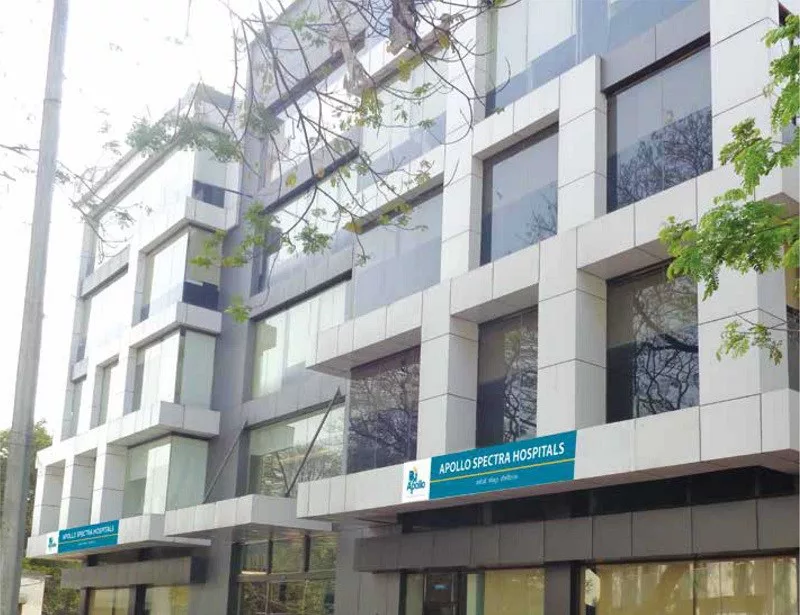
Pune - Sadashiv Peth
Saras Baug Road, Opp. Sanas Play Ground, Sadashiv Peth, Pune, Maharashtra - 411030
 08448440991
  Location Map
 Everyday 8:00 AM - 8:00 PM
 94% Patient Satisfaction Score
Frequently Asked Questions (FAQs)
Treatment can be done through open surgery or laparoscopic surgery depending on the type and severity of the hernia
The cost of hernia surgery in Pune is approximately Rs. 90,000 - 1,45,000.
Yes
Apollo Spectra Hospitals is one of the best places for hernia surgery in Pune, offering state-of-the-art facilities and experienced surgeons. Patients benefit from advanced technology, safe procedures, and faster recovery.
The cost of laparoscopic hernia operation rages from Rs. 1,20,000 – 1,45,000
Contact Apollo Spectra Hospitals for the best hernia specialist in Pune.
Our Top Specialities
NOTICE BOARD
CONTACT US
FOR PARTNERSHIP
CONTACT US
FOR PARTNERSHIP
.svg)
.svg)
.svg)
.svg)


 Book Appointment
